In 6 South American countries, abortion is legal or decriminalized
RIO DE JANEIRO, BRAZIL – While in the U.S., the right to abortion may be restricted in several states, South America has seen a loosening of women’s reproductive rights.
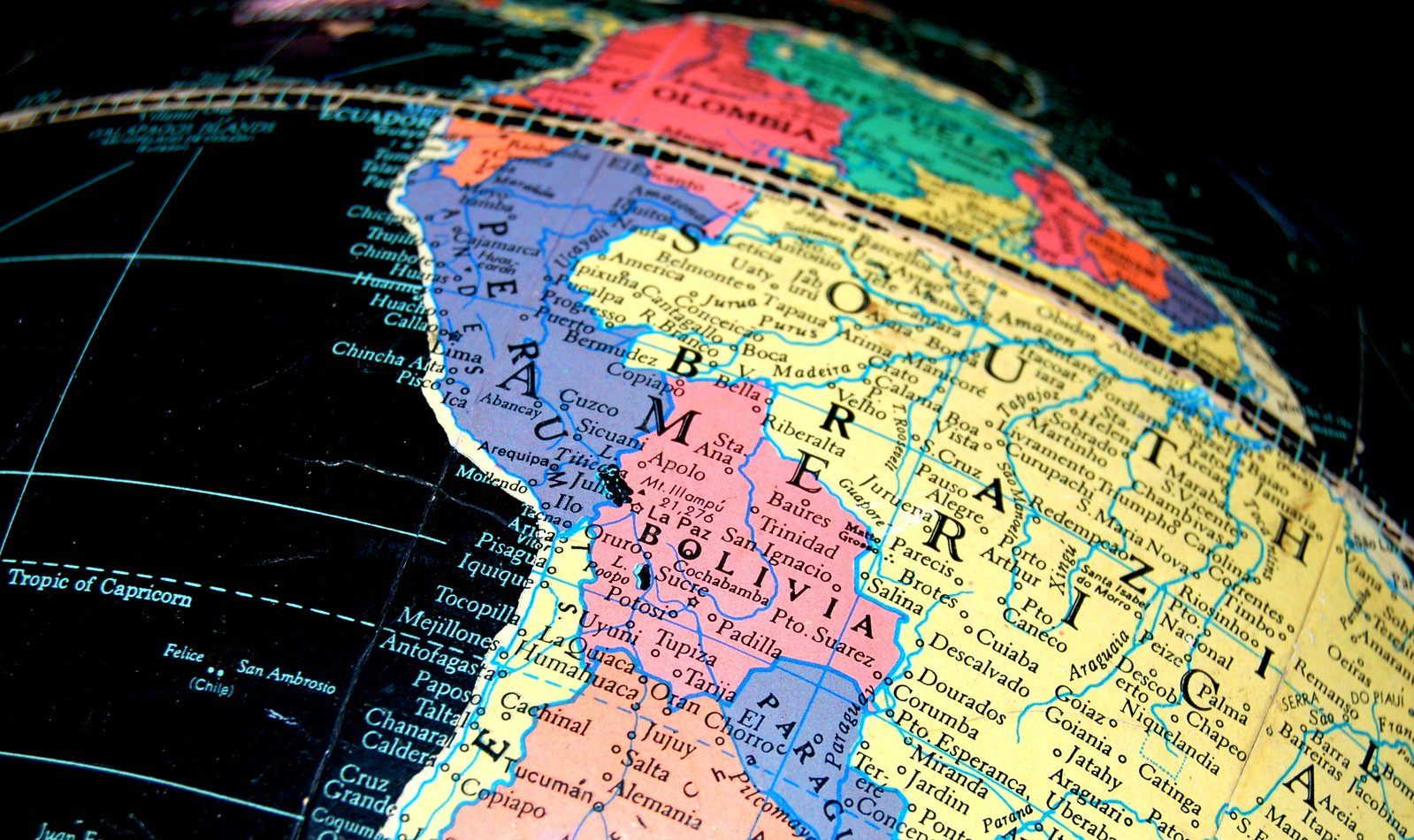
Of the 13 countries on the continent, six have legalized or decriminalized the termination of pregnancy. Argentina, Chile, and Colombia are the most recent examples.
Another six countries allow the procedure, but only in cases where the pregnancy may result in the woman’s death or is the result of rape.
Brazil is in this group. Suriname is the only South American country that bans abortion in all circumstances.
Poder360 conducted the survey using data from the Center for Reproductive Rights and the Global Abortion Policies Database, a WHO (World Health Organization) database.

There is a difference between decriminalizing and legalizing abortion. Lia Zanotta Machado, a professor at the University of Brasília (UnB) and a doctor of human sciences, explains that decriminalization only means that a practice is no longer considered a crime.
Legalizing already means regulating the practice of abortion, establishing when the state will support it, and setting a limit depending on the week of pregnancy. The state will also pass a law requiring health insurance companies to process abortion requests.
“Decriminalization is controversial because it can be done in different ways. Suppose you decriminalize abortion at any point, regardless of the months of pregnancy. In that case, it can lead to serious health problems for the woman, and of course, the protection of the fetus’s rights is poorly defended,” Zanotta says.
The researcher defends that legalization is always more effective for women’s rights because legalizing abortion automatically decriminalizes and regulates the procedure.
“When abortion is legalized, the number of maternal deaths decreases,” she says. According to the researcher, the term “maternal mortality” refers to the number of women who die during pregnancy, in the puerperium, and within three months of delivery.
The issue is the illegality of the procedure and the lack of sexual education about the birth control pill. For Zanotta, legal abortion should be accompanied by sex and contraception education to reduce the number of abortions.
Of the six South American countries that are more liberal on abortion, Argentina, Uruguay, Guyana, and French Guiana have enacted laws regulating and ensuring access to the procedure. Only Chile and Colombia do not classify abortion as a crime.
However, in both classifications, local authorities set the criteria for the interruption and define a pregnancy duration of up to 24 weeks (6 months).
According to Zanotta, the main criteria for setting this period are the woman’s safety and the stage of development of the fetus. For example, up to 12 weeks, the procedure does not pose a risk to the pregnant woman’s life, and the fetus is still at a “very distant” stage of its physical and mental development.
In addition, some countries, such as Argentina and Colombia, perform abortions only at the woman’s request. In other countries, such as Chile, the procedure is mandatory only in some instances. These are the criteria:
LEGALIZED
- Argentina – up to 14 weeks (4 months), only at the woman’s request. The law will be passed in December 2020;
- Uruguay – up to 12 weeks of pregnancy (3 months), only at the woman’s request. Legalized since 2012;
- Guyana – up to 8 weeks (2 months) gestation, only at the woman’s request. Legalized in 1995;
- French Guiana – follows French legislation. Up to 12 weeks (3 months) at the woman’s request.
DECRIMINALIZED
- Chile – up to 14 weeks (4 months) in cases of the woman’s imminent death, rape, and fetal malformations. Since September 2021;
Colombia – up to 24 weeks (6 months), no justification required. After that, in cases of incest, rape, or fetus malformations. Since February 2022.
PROHIBITED, WITH EXCEPTIONS
Brazil, Bolivia, Peru, Venezuela, Paraguay, and Ecuador are the six countries that still consider abortion a crime, but provide exceptions when the pregnancy is the result of rape, may lead to the mother’s death, or there is a fetal malformation.
- Brazil – up to 22 weeks (6 months) in cases of danger to the life of the woman, rape, and malformation of the fetus;
- Bolivia – up to 8 weeks (2 months), in cases of danger to the life of the woman;
- Peru – up to 22 weeks (6 months), if there is a danger to the woman’s life or to prevent severe and permanent damage to the health of the pregnant woman;
- Venezuela – if there is a danger to the woman’s life. No limit is set;
- Paraguay – when the woman’s life is in danger. No limit is set;
- Ecuador – in cases of rape or when the woman’s life is in danger. No limit is specified.
ABORTION IN THE WORLD
The procedure is also available in other countries like China, Turkey, and India. The Chinese government, for example, allows the termination of pregnancy only at the request of the woman. It also does not set a pregnancy limit.
In India, abortion has been legalized since 1971 in cases of rape, endangerment of the woman or malformation of the fetus, failure of the contraceptive method, and endangerment of the mental health of the pregnant woman.
Turkey sets a time limit of up to 10 weeks and requires the husband’s permission to be presented. The law has been in effect since 1983.
Abortion is also legal in most European countries but remains illegal in Malta and Andorra. There is also a peculiarity in Poland. Although the procedure is legalized in the country, it is only allowed if the pregnancy results from rape or poses a risk to the pregnant woman.
The criteria have been in effect since 2021 when Poland adopted a new provision in its law that effectively banned legal abortion. The current, strongly conservative government claims the country has a predominantly Catholic population.
Last November, thousands protested in the Polish capital of Warsaw after it was revealed that a pregnant woman who had been denied the right to an abortion had died.
Izabela, 30, was pregnant with a malformed fetus but was prevented from having an abortion. According to the family’s lawyer, doctors decided to wait until the fetus died. Izabela died as a result of the delay.
Another prominent case occurred in El Salvador. The country is known for having one of the strictest laws against abortion globally.
The country’s courts prohibit the procedure in all circumstances, but they also treat abortion cases as homicides and impose prison sentences on women. This rule also applies to involuntary abortions.
Last Tuesday (10), a court sentenced a woman to 30 years in prison following an abortion. According to the Citizens Group for the Decriminalization of Abortion, the woman was visiting a public hospital when she was charged and arrested. She claims the loss was involuntary. The case took place in 2019.
In North America, Canada joined the U.S. in legalizing abortion in 2016. The procedure is performed at the woman’s request, and there is no pregnancy limit. Canadian regulations also vary by province.
Mexico decriminalized abortion last year. As in other countries on the continent, abortion is regulated by the state. In Mexico City, for example, abortion is allowed up to 12 weeks without requiring justification.
CONSERVATISM
Zanotta explains that most countries owe the legalization of abortion to the feminist movement. On the other hand, those with strict laws on the subject tend to be conservative.
“It’s a conservatism that occurs in the United States. There are abortion clinics where women are raped. It’s an idea of control, punishment, and surveillance,” he adds.
In countries where abortion is not a crime but where there is strong traditionalism, doctors often refuse to perform abortions, citing conscientious objection.
“It’s one thing to legalize abortion. It’s another thing to get that support from medical clinics, doctors, and society at large,” she says.
According to the scholar, the conservative movement has become a champion of agendas that restrict access to abortion; feminism, on the other hand, has gained visibility on the public agenda.
More: Brazil news in English, every day from The Rio Times.
This article was produced by The Rio Times’ automated newsroom system. How we use AI · Report an error · Editorial responsibility: Matthias Camenzind, Editor-in-Chief