Argentina · Step by Step
Key Facts
- Three tiers. Free public hospitals, the employment-linked obras sociales, and the private prepagas most expats choose.
- The prepaga names. OSDE, Swiss Medical, Galeno and Medicus dominate — with the Hospital Italiano and Alemán networks the quality benchmarks.
- The price reality. Premiums rose hard after deregulation — budget real money and compare plans annually.
- Public care works. Emergency and hospital care is free at the point of use, foreigners included, though a few provinces now charge non-residents for some services.
- Emergencies. Dial 107 for ambulances in Buenos Aires; 911 connects police.
Argentina treats healthcare as a right and built three systems to deliver it. This step of our series sorts healthcare in Argentina for expats: how the free public tier, the union-linked middle and the private prepagas actually work — and which combination fits each expat profile in the post-deregulation price era.
Tier 1: the public system — free, real, uneven
Public hospitals treat everyone — foreigners included — free at the point of use, a principle Argentines defend fiercely. Quality is genuinely good at the flagship hospitals and uneven elsewhere; waits for non-urgent care are long, and comfort is not the product.
Recent caveat: a few provinces have begun charging non-resident foreigners for certain non-emergency services, a live political debate — but emergency care remains universal everywhere. For expats, the public tier is the safety net that makes Argentina forgiving: whatever happens, a hospital will take you.
Tier 2: obras sociales — the employment middle
Formal employees (and monotributo freelancers) are enrolled in obras sociales — union-run insurance funded by payroll contributions. Coverage quality tracks the union; many plans let you redirect contributions toward a prepaga upgrade, which is exactly what most professionals do.
If you’ll work formally in Argentina, this tier happens to you automatically; the practical move is asking HR which prepaga partnerships your obra social offers.
Tier 3: the prepagas — what expats actually buy
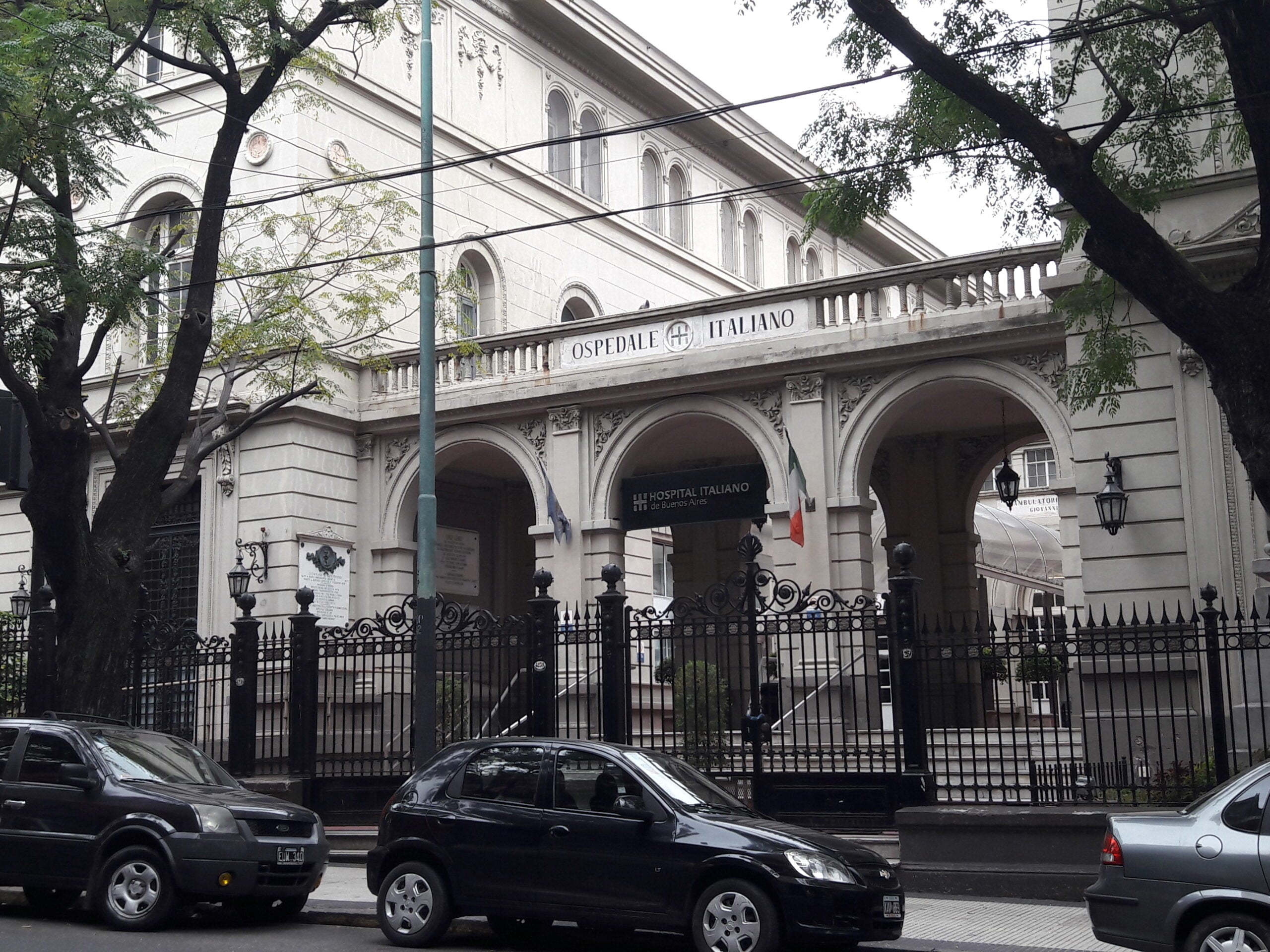
The private prepagas — OSDE, Swiss Medical, Galeno, Medicus — are the expat default: direct access to the country’s best private networks, led by the world-class Hospital Italiano and Hospital Alemán, with English-speaking doctors easy to find in Buenos Aires. The post-deregulation reality: premiums jumped repeatedly and now represent real money that scales with age and plan tier — so compare plans annually, match the plan to the hospital you’d actually use, and declare honestly (pre-existing conditions are handled more flexibly than in much of the region, sometimes via waiting periods or premium surcharges rather than flat exclusion — but non-disclosure still burns).
Many prepagas accept foreigners without DNI initially, though the card-and-CUIL combination from earlier in this series smooths everything.
The resident strategy
By profile: employees ride the obra social and top up to a prepaga. Freelancers and nomads buy a mid-tier prepaga directly — or run international insurance if their stay is short.
Retirees price prepagas early (age bands rise steeply) and lean on the public net as backup. Everyone enjoys two Argentine bonuses: pharmacies on every corner with affordable medicine, and the world’s densest therapy culture — mental healthcare here is mainstream, abundant and cheap by global standards.
Save 107 for ambulances, learn your prepaga’s clinic map, and healthcare drops off your worry list.
More: Argentina news in English, every day from The Rio Times.
Frequently Asked Questions
Is healthcare really free in Argentina for foreigners?
Public hospital and emergency care is free at the point of use for everyone, foreigners included — though a few provinces have started charging non-residents for some non-emergency services.
Which private insurer should I choose?
OSDE, Swiss Medical, Galeno and Medicus lead. Choose by which network owns the hospital you’d actually use — Hospital Italiano and Alemán are the benchmarks in Buenos Aires.
How expensive are the prepagas now?
Noticeably more than the cheap-Argentina years — deregulation brought repeated premium rises that scale with age and tier. Compare plans annually.
Are pre-existing conditions covered?
More flexibly than in much of the region — often via waiting periods or surcharges rather than exclusion — but always declared honestly.
What number do I call in an emergency?
107 for ambulances in Buenos Aires (911 for police). Prepaga members also get private emergency lines — save yours.
This article was produced by The Rio Times’ automated newsroom system. How we use AI · Report an error · Editorial responsibility: Matthias Camenzind, Editor-in-Chief
Expat Guide to Argentina
What The Rio Times publishes for foreigners who live in or move to Argentina.
Start here
- Argentina Security and Crime Explained 2026
- Argentina Money Guide for US Travelers
- Best Places to Live in Argentina for Expats 2026
- How to Open a Bank Account in Argentina as a Foreigner in 2026: Tax ID, Dollars, Apps
City guides
Coming up in Argentina
- Los Pericos Gran Rex Concert Set for 22 October 2026 in Argentina 22 Oct
- Mendoza Things to Do, 9 to 31 October 2026 31 Oct
- Mar del Plata Film Festival 2026: 5 to 15 November 5 Nov
- Primavera Sound Buenos Aires 2026: Gorillaz, The Strokes to Headline 28 Nov
Understand Argentina