H5N1 Outbreak Triggers EU Ban on Brazilian Poultry, Threatening $1 Billion in Exports
The European Commission announced Monday that Brazil can no longer export poultry and meat products to the European Union following the detection of highly pathogenic avian influenza.
This development marks a significant blow to Brazil, the world’s largest poultry exporter. “Brazilian authorities can no longer sign animal health certificates for export to the EU,” a European Commission spokesperson stated.
The ban applies to all poultry products from any part of Brazilian territory, as EU import regulations require exporting countries to be free of bird flu.
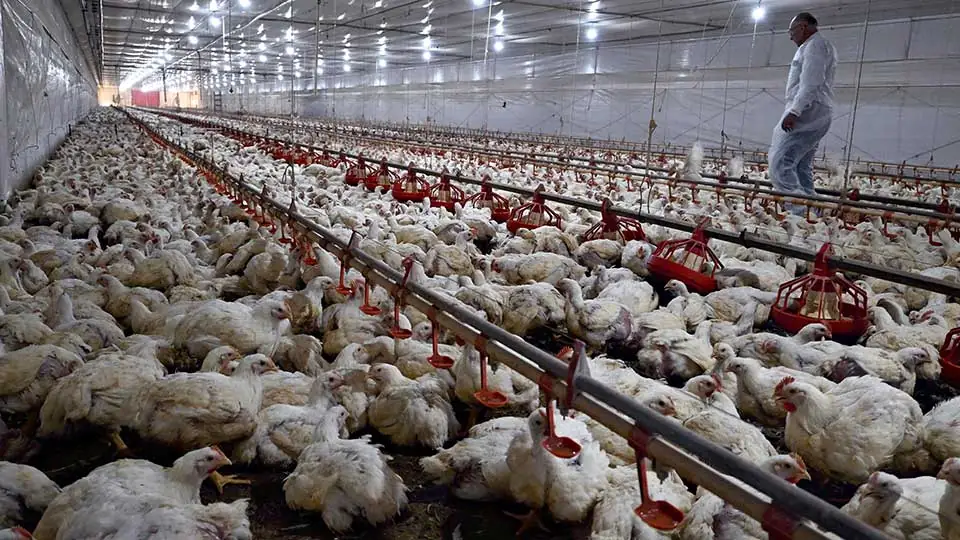
The crisis began when Brazil confirmed its first case of H5N1 avian influenza on a commercial farm in Montenegro, Rio Grande do Sul state.
This confirmation triggered immediate response measures to contain the outbreak. This represents a critical turning point for Brazil’s poultry industry, which had successfully kept the virus out of commercial operations for nearly two decades.
Mexico has also suspended imports of Brazilian chicken meat, fertile eggs, live birds, and other poultry products. China, Brazil’s largest poultry customer, implemented a countrywide ban that could severely impact trade flows.
Brazil Faces Major Economic Risks
The economic consequences appear substantial. Government officials estimate potential losses of up to $250 million monthly, representing approximately 150,000 tonnes in monthly shipments. Total losses could reach between $500 million and $1 billion over the next year.
Brazil’s chicken meat exports reached $10 billion in 2024, capturing roughly 35% of the global market. The Agriculture Ministry reports two additional suspected cases under investigation in Tocantins and Santa Catarina states.
Health authorities have established disinfection barriers to contain the confirmed outbreak. Officials emphasize that avian influenza does not spread through properly cooked poultry meat or eggs, posing minimal risk to consumers.
Under existing protocols, many countries will ban Brazilian poultry imports for at least 60 days. The European Commission has not specified a timeframe for lifting its restrictions.
The domestic market may experience increased supply as products originally destined for export remain in Brazil. This could potentially help curb inflation within the country while international markets adjust to the sudden supply disruption.
Brazil’s Agriculture Ministry has activated its National Contingency Plan for Avian Influenza, implementing containment and eradication measures aimed at eliminating the outbreak and restoring export capabilities as quickly as possible.
More: Brazil news in English, every day from The Rio Times.
This article was produced by The Rio Times’ automated newsroom system. How we use AI · Report an error · Editorial responsibility: Matthias Camenzind, Editor-in-Chief