GOL Airlines Wins Key Shareholder Approval to Exit Bankruptcy
GOL Linhas Aéreas Inteligentes secures shareholder approval for a capital increase on May 30, 2025, enabling its Chapter 11 exit in June. This move stabilizes the Brazilian airline’s finances. It positions GOL to compete in Latin America’s aviation market.
Shareholders approve a capital increase of R$5.343 billion ($937 million) to R$19.246 billion ($3.38 billion), issuing up to 13.11 trillion common shares.
They authorize 1.55 trillion preferred shares, priced at R$0.0002857142 and R$0.01, converting creditor debts into equity. This slashes GOL’s financial burden significantly.
GOL faces R$40 billion ($7.02 billion) in debt, filing for Chapter 11 in January 2024 to restructure while operating. The approval cuts $1.6 billion in pre-Chapter 11 debt. It also eliminates $850 million in other liabilities, strengthening GOL’s balance sheet.
Meanwhile, GOL secures $1.9 billion in exit financing from investors like Castlelake. This funding repays loans and supports operations. The airline anticipates $900 million in liquidity upon exiting bankruptcy.
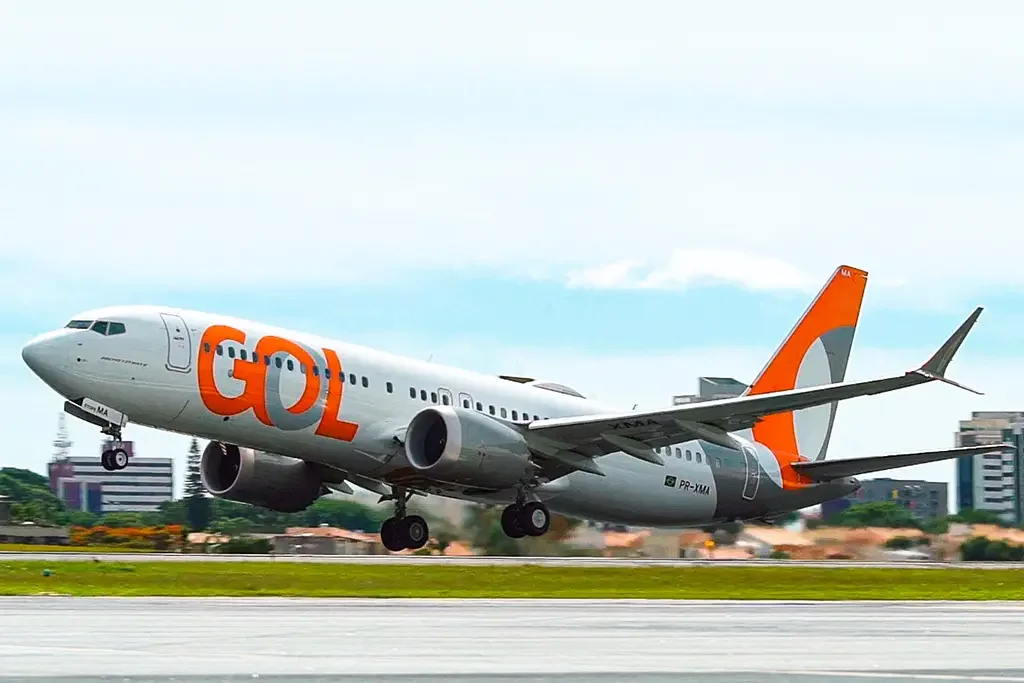
Consequently, GOL competes effectively against rivals like LATAM. It overhauls 50 engines in 2024, improving efficiency. The airline adds five Boeing 737 MAX aircraft in 2025.
However, new shares dilute existing ones, triggering a 40% stock drop to R$0.71 on May 9, 2025. Investors face losses but may benefit from GOL’s recovery. The airline’s five-year plan targets profitability.
GOL’s Restructuring
GOL’s survival maintains routes to cities like Palmas. A stronger GOL fosters competition, potentially lowering fares. Its focus on Brazil’s market drives tourism and growth.
Furthermore, GOL leverages U.S. bankruptcy laws to access capital without losing control. Abra Group remains its largest indirect shareholder. This approach prioritizes regional business interests.
A U.S. court approves GOL’s reorganization plan on May 20, 2025. This legal support ensures a timely exit. CEO Celso Ferrer emphasizes GOL’s competitive readiness.
Ultimately, GOL taps rising travel demand in Latin America. Its financial restructuring stabilizes Brazil’s aviation sector. The approval balances creditor and investor interests effectively.
From a business view, GOL’s recovery supports connectivity and supply chains. Investors navigate risks as GOL emerges leaner. The capital increase drives a pragmatic turnaround.
More: Brazil news in English, every day from The Rio Times.
This article was produced by The Rio Times’ automated newsroom system. How we use AI · Report an error · Editorial responsibility: Matthias Camenzind, Editor-in-Chief
LatAm Markets: Live Signals → — real-time movers, turnover leaders and FX across Latin America.