GOL Airlines Faces Profit Plunge in Q1 2025 Amid Soaring Costs
GOL Linhas Aéreas Inteligentes S.A., a leading Brazilian airline, reported a 63.7% profit drop to R$1.37 billion ($240 million) in Q1 2025, despite a...
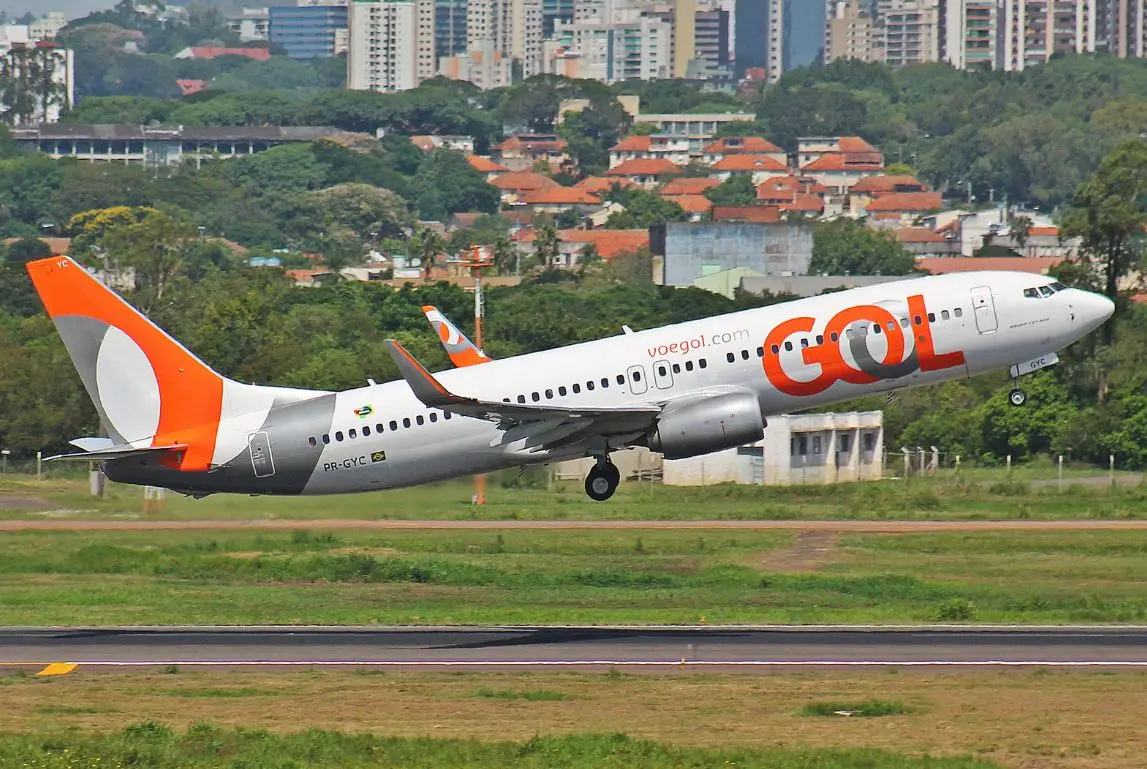
GOL Linhas Aéreas Inteligentes S.A., a leading Brazilian airline, reported a 63.7% profit drop to R$1.37 billion ($240 million) in Q1 2025, despite a 19.4% revenue increase to R$5.62 billion ($986 million).
The financial results, released on May 15, 2025, reveal a company grappling with rising costs and debt while expanding operations. Behind the numbers lies a story of resilience and risk as GOL navigates Chapter 11 bankruptcy.
The airline’s revenue growth stems from a 28% surge in passenger transport income, reaching R$4.5 billion ($789 million). GOL boosted flight capacity by 12%, with international routes driving a 6.6% rise in passenger traffic.
The load factor edged up to 83.5%, signaling strong demand. Additionally, the Smiles loyalty program generated R$1.4 billion ($246 million), up 12.4%, while the Gollog cargo unit earned R$346 million ($61 million), a 17% increase.
However, costs escalated 24.9% to R$4.77 billion ($837 million), fueled by a weaker Brazilian real, pricier aviation fuel, and higher airport fees. The company burned R$433 million ($76 million) in cash, leaving R$1.6 billion ($281 million) in reserves.
Meanwhile, net debt soared 43.7% to R$31.1 billion ($5.46 billion), pushing the leverage ratio from 4.2 to 5.8 times. These figures expose GOL’s precarious financial position.
GOL entered Chapter 11 bankruptcy in the U.S. in January 2024, burdened by pandemic-related debt and high interest rates. On May 9, 2025, the board proposed a capital raise of R$5.34 billion ($937 million) to R$19.25 billion ($3.38 billion), pending shareholder approval on May 30.
An agreement with Whitebox Advisors on May 8 strengthens GOL’s restructuring plan, targeting a June 2025 exit. Additionally, a $1.375 billion financing deal supports debt reduction.
Operationally, GOL shines with an 85.1% on-time performance, ranking among global leaders. The fleet, comprising 138 Boeing 737s, supports plans to reach 169 jets by 2029.
Yet, Boeing delivery delays pose risks. The Azul codeshare agreement enhances connectivity, but merger rumors swirl, adding uncertainty. The real story unfolds in GOL’s balancing act: expanding routes and revenue while wrestling with crippling debt and costs.
The proposed capital raise, though vital, risks massive shareholder dilution. Currency fluctuations and fuel prices further threaten stability.
GOL’s path hinges on executing its restructuring and leveraging Brazil’s recovering aviation market. Investors await the May 30 vote, which will shape the airline’s future.
More: Brazil news in English, every day from The Rio Times.
This article was produced by The Rio Times’ automated newsroom system. How we use AI · Report an error
LatAm Markets: Live Signals → — real-time movers, turnover leaders and FX across Latin America.