
Key Facts
— — Brazilian power producer Engie Brasil Energia (B3: EGIE3) is working with Banco Itaú BBA and Banco Santander Brasil on a follow-on equity offering of up to R$10 billion (approximately US$2 billion). The Engie Brasil share offer is expected by mid-year, with additional banks possibly joining the syndicate. The transaction would be one of the largest Brazilian equity issuances of 2026.
— — Proceeds will fund the acquisition of a 40 percent stake in Jirau Energia SA from controlling shareholder Engie Brasil Participações SA. Jirau is one of Brazil’s largest hydroelectric facilities, located on the Madeira River in Rondônia state. The transaction restructures Engie’s Brazilian capital structure by transferring the Jirau stake from the parent holding company down to the listed Brazilian operating subsidiary.
— — Engie Brasil Energia closed 2025 with R$12.9 billion net operating revenue (+14.6% YoY), R$7.6 billion adjusted EBITDA (+3.7%), and R$2.8 billion adjusted net income (-15.6%). The company maintains 55 percent dividend payout ratio and roughly 7,000 MW installed capacity across 29 plants. CFO Pierre Leblanc confirmed continued investment focus through 2026-2029. The 2026 capex projection runs approximately US$520 million per BNamericas reporting.
The Engie Brasil share offer planned for mid-2026 confirms the structural pattern: Brazilian capital markets remain open for large equity transactions despite global uncertainty, and Brazilian utilities are using the moment to consolidate strategic positions.
One of Brazil’s largest power producers is preparing a major capital raise. The Rio Times, the Latin American financial news outlet, reports that the Engie Brasil share offer of up to R$10 billion (approximately US$2 billion) — coordinated by Banco Itaú BBA and Banco Santander Brasil with potential additional banks — represents one of 2026’s most significant Brazilian equity transactions, designed to fund the acquisition of a 40 percent stake in the Jirau Energia hydroelectric facility from controlling shareholder Engie Brasil Participações SA at a moment when global commodity inflation is structurally favorable for Brazilian power producers.
The Engie Brasil Energia franchise is one of the most consistent operators in the Brazilian utility sector. CFO Pierre Leblanc has emphasized “rigorous financial management together with the creation of value, focused on investment directed towards the sustainable expansion of the businesses in Brazil.” The Jirau acquisition fits this pattern of disciplined long-cycle asset accumulation.
The Engie Brasil Share Offer Mechanics
The deal structure is straightforward but strategically meaningful. Engie Brasil Energia (the listed Brazilian subsidiary, ticker EGIE3) will issue new equity.
Proceeds will be used to acquire a 40 percent stake in Jirau Energia from Engie Brasil Participações (the parent holding company). The transaction transfers the Jirau exposure from the holding company down to the operating subsidiary.
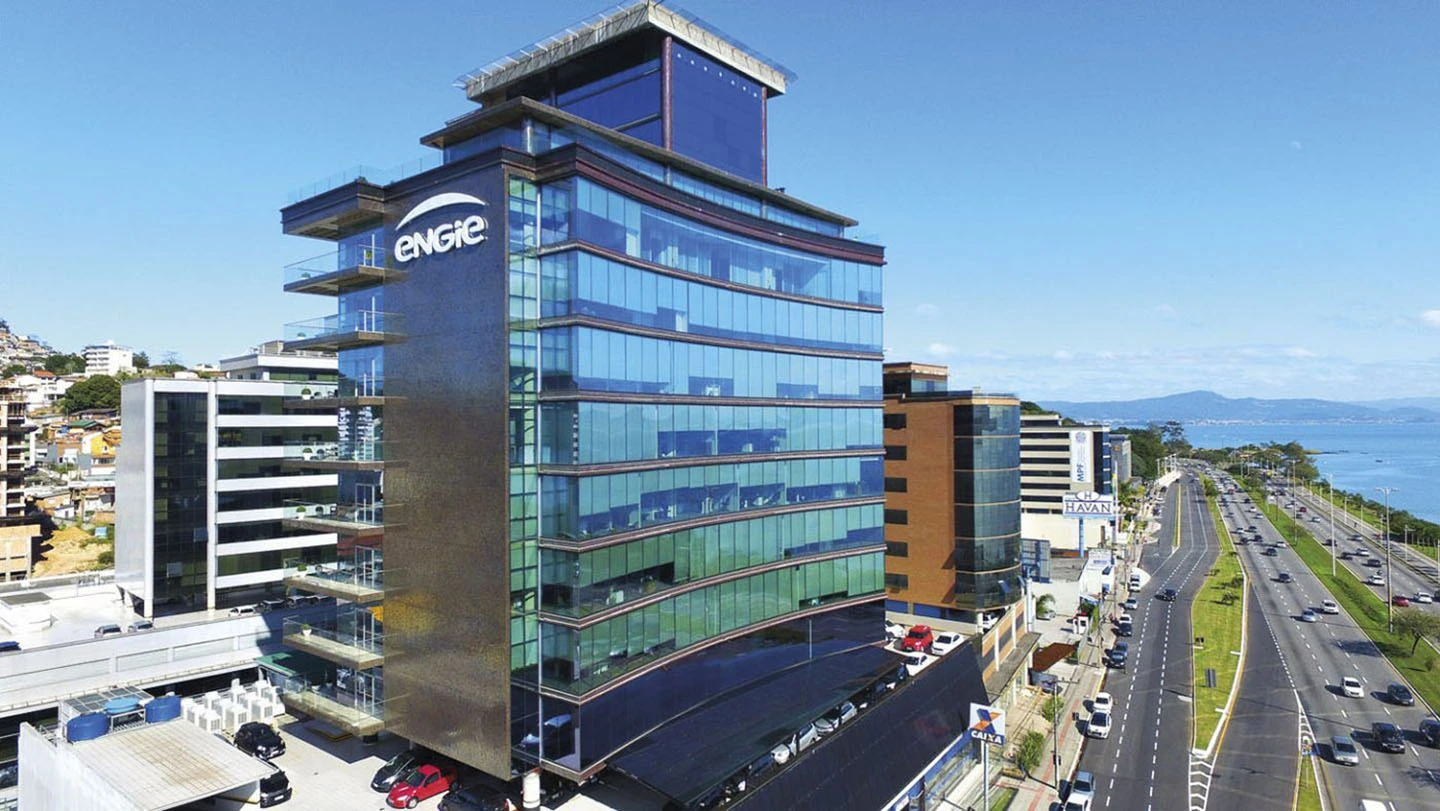
For minority shareholders of EGIE3, the read is structural. The transaction expands Engie Brasil Energia’s balance sheet exposure to Jirau’s cash flows. It also demonstrates parent-company commitment to the Brazilian listed entity — Engie’s controlling shareholder is monetizing its Jirau stake through the public-market offering structure rather than through a private liquidity event.
The mid-year timing aligns with Brazilian equity market conditions. The Ibovespa has been the best-performing major equity index in Latin America in 2026, foreign investors continue accumulating positions, and the Iran war’s effect on power prices is structurally favorable for hydroelectric producers like Engie Brasil. The Itaú BBA-Santander syndicate provides the institutional placement capability for a large transaction.
What Jirau Adds to Engie Brasil
Jirau Energia is one of Brazil’s largest hydroelectric facilities. Located on the Madeira River in Rondônia state, the project has approximately 3,750 MW of installed capacity. The facility serves the South-Central interconnected grid and benefits from the long-term contracts that characterize the Brazilian regulated power market.
For Engie Brasil Energia’s existing portfolio, the addition is substantial. The company currently operates approximately 7,000 MW across 29 plants. A 40 percent stake in 3,750 MW Jirau adds approximately 1,500 MW of attributable capacity — a roughly 21 percent expansion in installed capacity proportional to the equity stake.
The portfolio impact also matters in capital-intensity terms. Engie Brasil’s 2026 capex projection is roughly US$520 million per BNamericas — substantially below earlier high-investment cycles. The Jirau transaction effectively monetizes parent-company holding-company structure into operating-subsidiary equity, providing growth without requiring additional greenfield capex commitments.
Engie Brasil’s Financial Position
The 2025 annual results provide context for the equity raise. Net operating revenue reached R$12.9 billion, growth of 14.6 percent over 2024 driven by new renewable projects and power transmission expansion. Adjusted EBITDA totaled R$7.6 billion (+3.7%).
Adjusted net income of R$2.8 billion declined 15.6 percent, primarily due to higher net financial expense and increased depreciation. The dividend payout has been held at 55 percent for three consecutive years. Leblanc has signaled the 55 percent ratio will continue through the major investment cycle of 2026-2029, as the company preserves balance-sheet flexibility for capital deployment.
Recent operational milestones include completion of the Assuruá and Assú Sol renewable projects, partial commissioning of the Asa Branca transmission system (33 percent operational), and the Graúna brownfield line entering 5 percent commercial operation. Energy commercialization volume reached 4,559 average MW in 2025, growth of 11 percent versus 2024. Customer base expanded approximately 24 percent year-over-year.
The Brazilian Power Market Context
The Engie Brasil transaction occurs within a broader Brazilian power market that is structurally favorable for established generators. Iran-driven energy inflation supports power prices.
Industrial demand growth from data centers and electrified consumer demand is accelerating. Renewable capacity additions remain capital-intensive but offer attractive long-term contract economics.
The Brazilian utility sector trades at relatively discounted multiples versus international peers, which makes equity issuances economically rational for both issuers and investors. EGIE3 trades at a price-to-earnings ratio around 12x — meaningfully below US and European utility peer averages of 17-20x. The discount reflects Brazilian sovereign-risk premium and currency considerations rather than operational concerns.
For comparable benchmarks, recent Brazilian equity transactions have priced at attractive levels for issuers. The structural read: Brazilian capital markets remain open for large equity transactions despite global uncertainty, and the foreign-investor flow into Brazilian assets in 2026 provides sufficient absorption capacity for a R$10 billion transaction.
What This Means for Investors
For existing EGIE3 shareholders, the read is mixed but largely positive. The R$10 billion raise creates short-term dilution concerns.
The Jirau acquisition adds tangible capacity and earnings power. The transaction structure suggests parent-company commitment to maintaining the listed entity’s growth trajectory.
For new investors considering EGIE3 entry, the follow-on offering creates a clear pricing event. Issuance discounts on Brazilian follow-on offerings historically run 4-8 percent versus market pricing — providing entry opportunities for size buyers. The post-issuance company would offer increased liquidity, expanded operating exposure, and continued 55 percent dividend payout.
For broader Brazilian equity allocators, the Engie transaction signals continued issuance activity in Brazilian utilities. Other major Brazilian utility names — Eletrobras, EDP Energias do Brasil, CPFL Energia, Energisa — face similar growth-capital considerations. The structural pattern of capital recycling through follow-on offerings rather than greenfield capex is favorable for sector multiples and may continue through 2026-2027 across multiple Brazilian utility names.
Key Facts
— Investing in Brazil 2026 Guide →
— Brazil Economic Outlook 2026 →
— Brazil Ethanol Blend 32% →
This article was produced by The Rio Times’ automated newsroom system. How we use AI · Report an error · Editorial responsibility: Matthias Camenzind, Editor-in-Chief
LatAm Markets: Live Signals → — real-time movers, turnover leaders and FX across Latin America.
Read More from The Rio Times