Costa Rica’s Tech Rush Hits a Wall as U.S. Policy Shifts
Costa Rica spent years building itself as a potential center for semiconductor manufacturing in the Americas, hoping to attract companies like Intel and Qorvo away from Asia.
This vision gained real momentum with the U.S. CHIPS Act, passed in 2022 under President Biden, which offered nearly $40 billion to encourage chip production closer to home.
Costa Rican leaders, businesses, and even U.S. officials saw real progress, with the country adding skilled jobs and strengthening its technology sector.
That changed quickly in 2025. When President Trump returned to office, he called the CHIPS Act a “horrible” law and demanded Congress repeal it. U.S. subsidies that made Costa Rica an attractive location suddenly looked shaky.
In July, both Intel and Qorvo announced they would close their manufacturing plants in Costa Rica and move operations to Asia—a move confirmed by corporate press releases and Costa Rican government announcements.
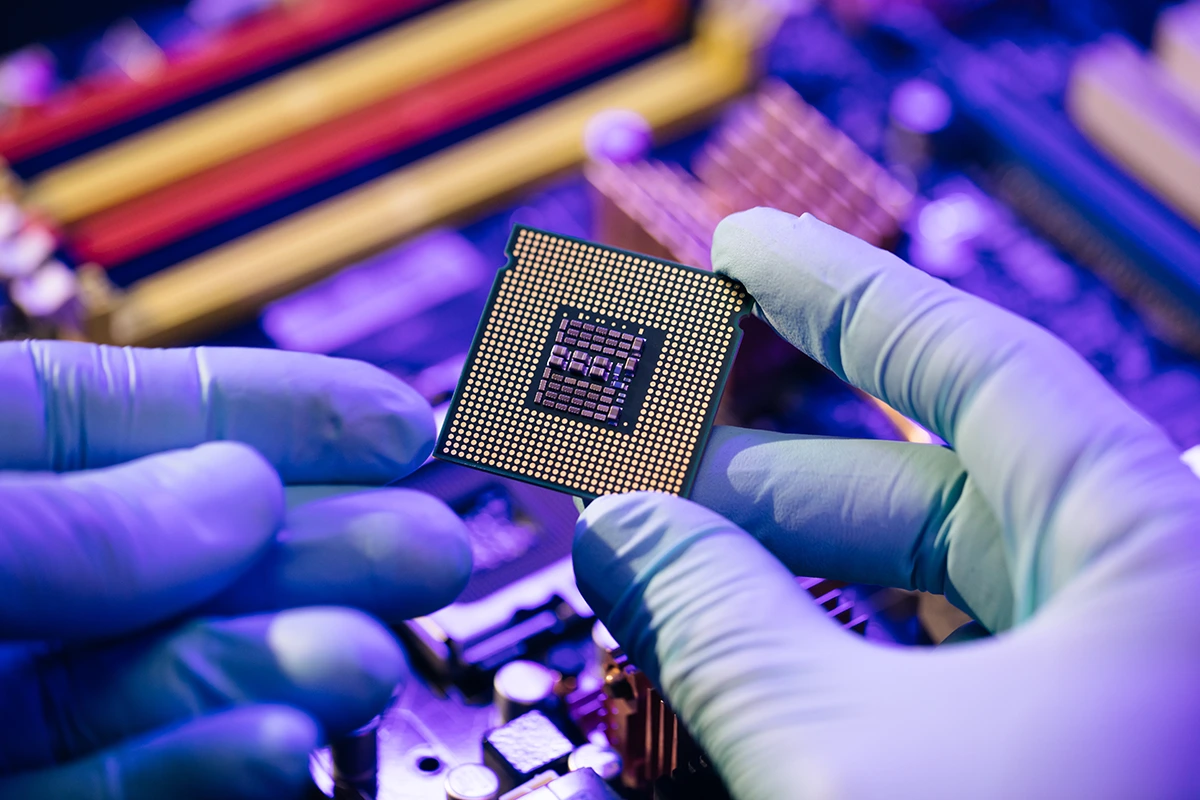
Intel shut down an assembly plant that had operated since the 1990s, while Qorvo ended thirty years of local manufacturing, together costing as many as 1,400 direct jobs and affecting hundreds of suppliers.
Costa Rica’s Central Bank reacted by cutting its 2026 economic growth forecast by 0.3 percentage points, citing these departures and a 25% drop in foreign investment in early 2025.
President Rodrigo Chaves and his economic ministers stressed that shifts in U.S. policy—not local mismanagement—were the main cause, a view supported by official government communications.
Business groups and former leaders highlighted other concerns: education and technical training lagged, the local currency had gained value against the dollar, and reforms on energy, labor, and visas remained stalled.
Still, Costa Rica keeps some high-skilled engineering and research jobs, mainly in areas not directly affected by these closures. Investment in other tech sectors, especially medical devices, actually rose by 13% in 2024, according to government statistics.
The country’s leaders now focus on new regulations and faster approvals to stay attractive to foreign investors, even without guaranteed U.S. backing.
More: Latin America news in English, every day from The Rio Times.
This article was produced by The Rio Times’ automated newsroom system. How we use AI · Report an error · Editorial responsibility: Matthias Camenzind, Editor-in-Chief