

Chilean President Gabriel Boric will deliver his final annual address to Congress on June 1, 2025, overshadowed by a 22% approval rating and a nation focused on November’s high-stakes elections.
His four-year term ends in March 2026, but with nine months remaining, his progressive agenda faces reversal as voters prioritize crime and economic stability over social reforms.
Boric’s signature achievement remains the March 2025 pension overhaul, which raised employer contributions to 8.5% by 2035 and created a public fund to compete with private managers.
Critics argue it fails to address systemic inequality, yet it stands as his administration’s defining policy. Crime rates complicate his legacy: homicides rose 32% since 2022, reaching 1,322 cases in 2024, while inflation hit 5.8% last year, straining households.
The political arena now revolves around the November 16 presidential election. Governing coalition candidates—ex-Interior Minister Carolina Tohá, Communist Jeannette Jara, and ally Gonzalo Winter—struggle to distance themselves from Boric’s unpopularity.
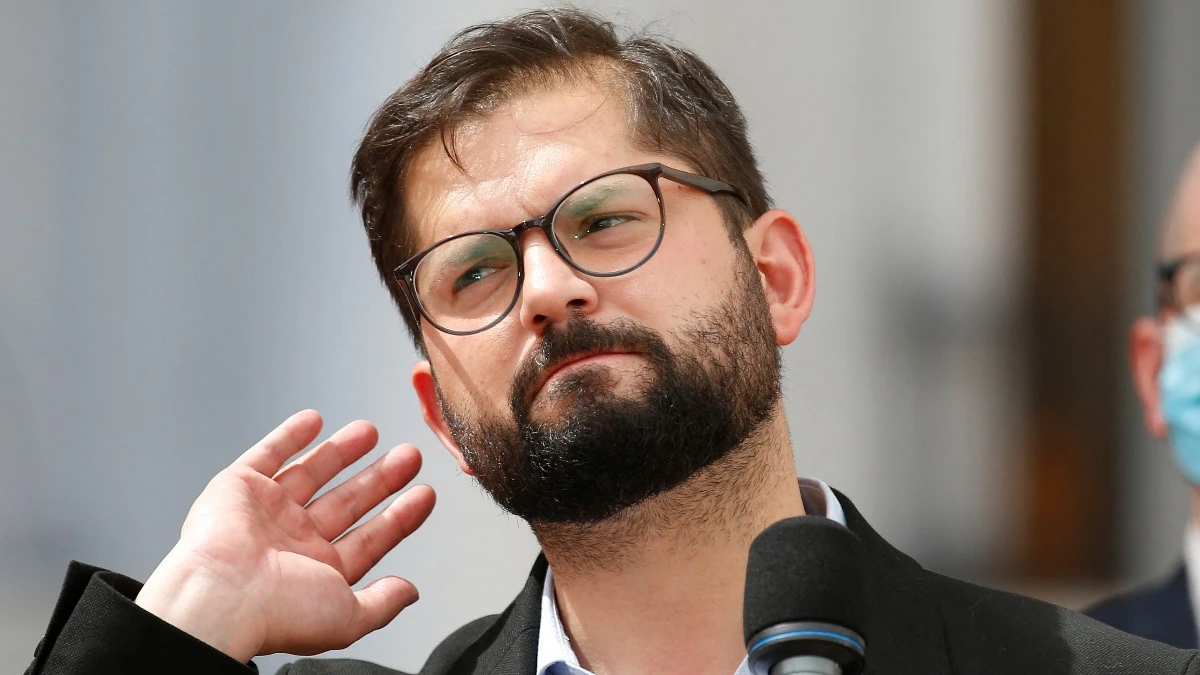
Opposition frontrunner Evelyn Matthei (UDI), polling ahead with a focus on security and fiscal restraint, opposes Boric’s proposed 14-week abortion law, calling it a distraction. Patriotic rivals José Antonio Kast and Johannes Kaiser further fragment the right, risking a split vote.
Copper Economy to Crime: Chile’s Boric Battles Legacy Erosion Ahead of 2025 Vote
Corruption scandals haunt Boric’s exit. The “Caso Convenios” exposed misuse of cultural funds by state-linked agency ProCultura, while “Caso Licencias” revealed 25,000 public employees traveling abroad during medical leave. These cases fuel opposition calls to shrink bureaucracy.
Chile’s copper-driven economy, responsible for 27% of exports, faces global market pressures as candidates debate nationalizing lithium mining.
Boric’s 2022 tax reforms aimed at wealth redistribution stalled amid legislative gridlock, reflecting broader regional challenges for left-wing leaders.
Analysts note his decline defies Chile’s trend of late-term approval rebounds, signaling voter impatience with ideological divides.
As Boric prepares to father a daughter named Violeta, his speech will likely emphasize continuity while rivals frame the election as a referendum on his vision versus pragmatic conservatism.