COP30 at Risk: Delegates Push Lula to Find New Host City Beyond Belém
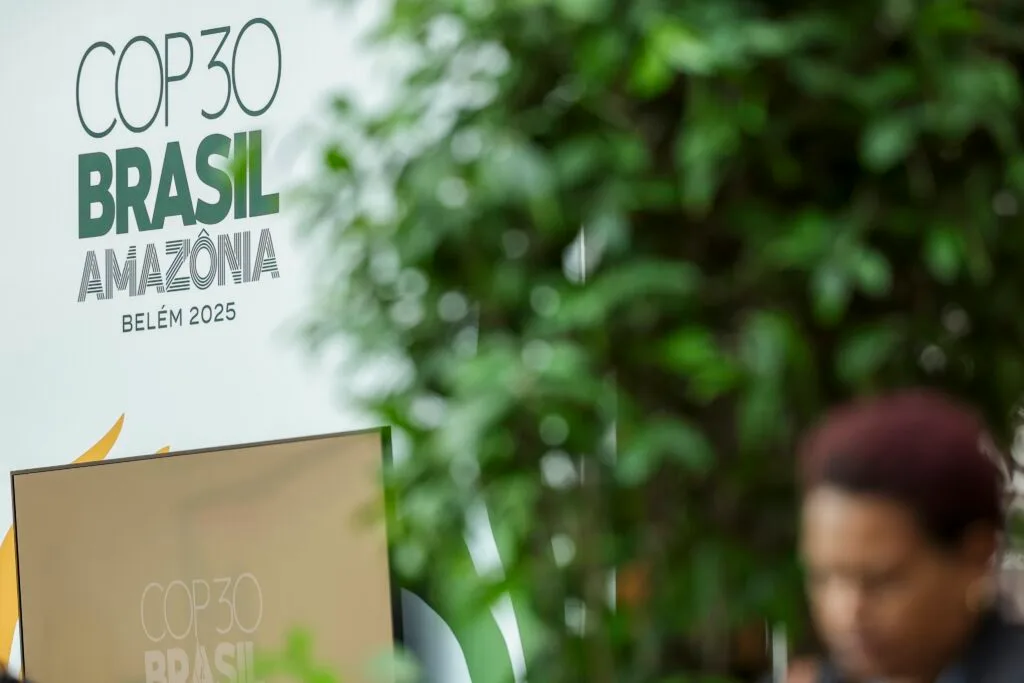
Brazil’s plan to host the 2025 UN Climate Summit (COP30) in Belém, gateway to the Amazon, has run into a big problem: there just aren’t enough affordable places to stay.
As of August, 29 international delegations—including those from Europe, Africa, and Asia—warn that unless Brazil finds enough beds at fair prices, COP30 might need a new home.
Officials expect more than 45,000 government negotiators, business leaders, and advocates to arrive this November. Yet, Belém started the year with only 18,000 hotel beds.
Even after Brazilian authorities rushed to add space—with new hotels, cruise ships, schools, and military housing—room shortages persist. By August, the government reported about 36,000 beds secured, aiming for 50,000 by the summit, but high prices remain.
Some hotels charge up to $700 per night, though the UN caps government delegate allowances at $149 or $220 per night, depending on the country.
This has pushed developing nations, particularly from Africa and island states, to claim they risk being left out unless prices drop. Shrinking delegations weakens their voices in crucial climate deals and means many officials might not attend.
Even richer countries find it tough to secure enough rooms for their teams. Businesses interested in climate opportunities also complain of steep prices and unclear logistics.
Brazil’s COP30 Challenge
To fight speculation, Brazil has reserved thousands of rooms at capped rates through an official booking site. It pulled in cruise ships to host 6,000 visitors and is encouraging hosts to offer short-term rentals.
Still, the government admits that some price gouging and uncertainty linger, despite efforts to stabilize the market. The real story is as much about economics as it is about environment.
Brazil wanted to highlight its Amazon commitment by holding COP30 in the rainforest’s capital. Yet, the basic math of supply and demand is at the heart of the standoff.
Without enough reliable, affordable lodging, hosting the world’s largest climate summit in Belém exposes the risks of spotlighting big ambitions in places unprepared for crowds.
As the deadline approaches, both diplomats and businesses must decide whether Brazil can deliver what’s promised. The outcome will influence more than the comfort of visitors; it will shape how the world judges the COP’s fairness and success.
The test for Brazil is now less about showmanship and more about getting every delegate and expert safely into the room—at a price they can afford.
More: Brazil news in English, every day from The Rio Times.
This article was drafted with automated assistance and reviewed before publication. How we use AI · Report an error · Editorial responsibility: Matthias Camenzind, Editor-in-Chief