

Key Points
- A sharp peso rally has pushed the dollar to multi-year lows, helping importers while squeezing exporters’ margins and hiring plans.
- Heavy government borrowing is adding fresh dollars to the market, reinforcing the currency’s rise even as fiscal risks linger.
- Ideas to repatriate pension savings invested overseas could intensify pressure on exports and narrow long-term diversification.
Colombia’s peso has staged one of its strongest rallies in years, and business leaders are no longer cheering. Trade groups say the currency has appreciated by roughly 17% over the last 12 months, with the dollar falling about 750 pesos in the same period.
In mid-January, the official opening rate sat near 3,663 pesos per dollar, and trading briefly dipped toward 3,610. For shoppers, a cheaper dollar can mean lower prices for imported goods and machinery.
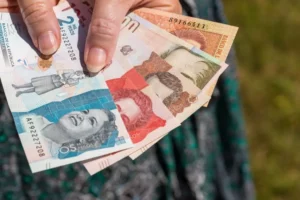
For companies that sell abroad, it is the opposite. Many export contracts are priced in dollars, while wages, energy, transport, and taxes are paid in pesos.
When the peso strengthens, exporters receive fewer pesos for each dollar earned, compressing profits, delaying investment, and putting formal jobs at risk.
Strong peso stirs Colombia policy tensions
Associations have linked the move to the government’s financing strategy. On January 13, Colombia executed a $4.95 billion global bond sale across maturities in 2029, 2031, and 2033, with coupons around 5.375%, 6.125%, and 6.50%.
Dollar inflows from such deals can be converted into pesos to fund local spending, increasing supply and pushing the exchange rate down further.
The currency strength also sits beside unsettled public accounts. In 2025, the government suspended the fiscal rule and set a deficit target of about 7.1% of GDP, while leaning more heavily on borrowing.
Trade data already show strain: November 2025 exports fell about 2.7% from a year earlier. A second flashpoint is talk of requiring pension funds to bring home part of their overseas holdings—reported near 200 trillion pesos.
Exporters fear an even stronger peso; savers fear fewer diversification options. Business groups are calling for a clear, credible fiscal adjustment and stable rules, arguing that competitiveness should be earned through productivity, not eroded by policy-driven currency swings.