Brazil’s Niobium Gatekeeper Bets Big on Batteries—and the World Should Notice
Most people have never heard of niobium. Yet this obscure metal quietly makes the world’s steel stronger and lighter—and may soon change how big vehicles charge.
The Brazilian company at the center of it all, CBMM, is launching a five-year expansion of about R$11 billion (roughly $2 billion) to lock in supply for steelmakers and push into battery materials.
CBMM already runs ahead of the market: it can produce up to 150,000 tonnes of ferroniobium a year while global demand sits near 125,000.
This year it expects output around 100,000 tonnes, up from roughly 95,000 last year. That “capacity-first” posture reduces bottlenecks in bridges, pipelines, and autos—industries that rely on niobium microalloys to do more with less steel.
The story behind the story is Brazil’s leverage. One privately controlled champion—owned by the Moreira Salles family—anchors a supply chain the rest of the world takes for granted.
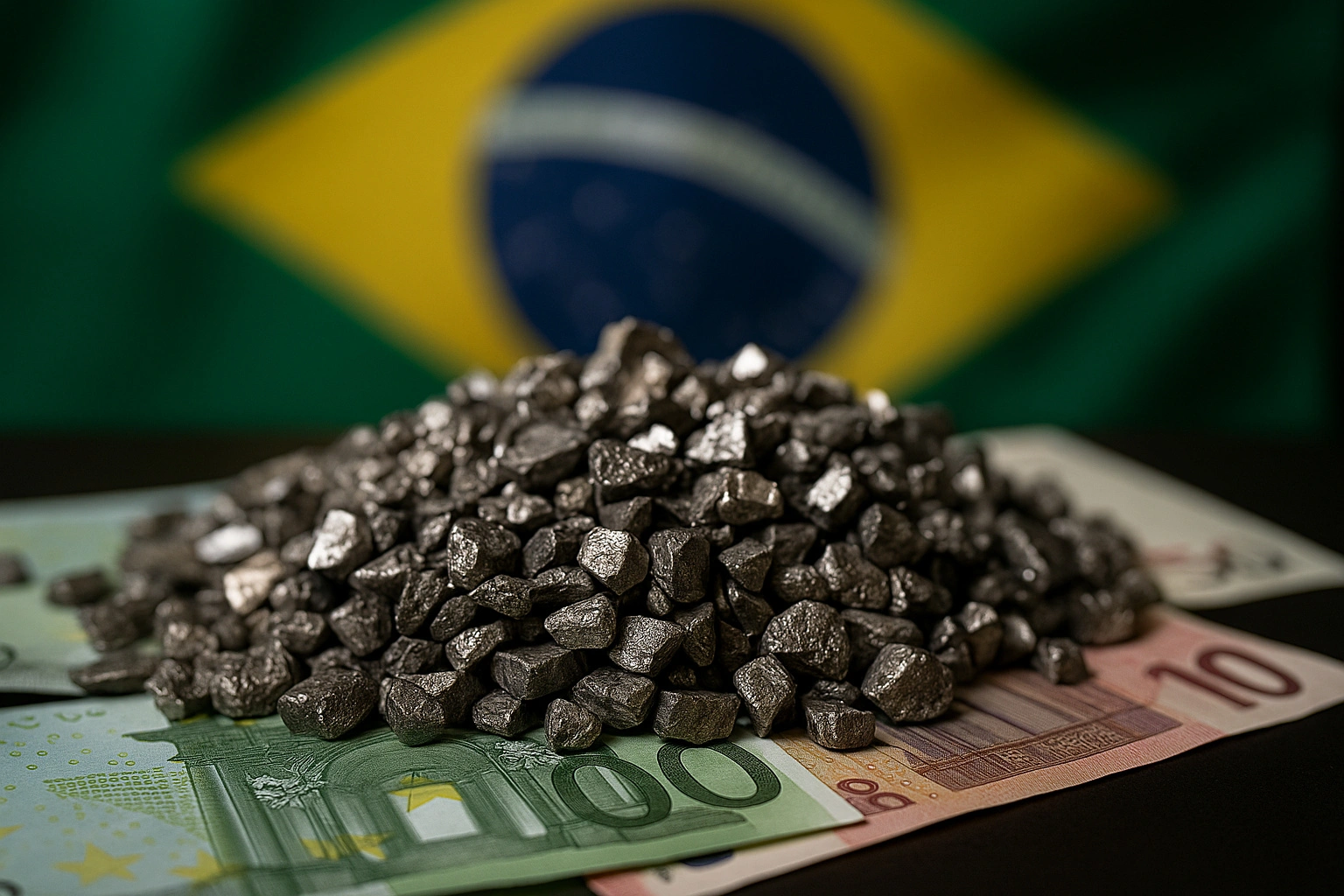
CBMM operates a single mine and 16 industrial plants in Minas Gerais and pours about R$300 million a year (around $55 million) into research. It has also built a 3,000-tonnes-per-year plant for mixed niobium oxides, the feedstock for advanced battery materials.
That is where the next chapter may unfold. In trials with Toshiba and Volkswagen Caminhões e Ônibus, CBMM is testing lithium-ion batteries that use niobium in the anode.
The promise is practical, not flashy: ultra-fast recharging in minutes, cooler operation, and longer life—ideal for buses and trucks that top up on fixed routes.
If those claims hold at scale, depot-charged fleets could cut downtime and extend vehicle life, changing economics for public transport and logistics.
Why this matters to readers outside Brazil: a single region dominates a critical input for modern infrastructure and a credible fast-charge battery pathway.
CBMM’s decision to spend, build, and diversify will shape costs and timelines for construction projects and electrification plans from Houston to Hamburg.
Pay attention not because niobium is trendy, but because it is foundational—and because Brazil’s choices will set the pace for both steel and the next wave of batteries.
This article was produced by The Rio Times’ automated newsroom system. How we use AI · Report an error · Editorial responsibility: Matthias Camenzind, Editor-in-Chief
LatAm Markets: Live Signals → — real-time movers, turnover leaders and FX across Latin America.