Brazil’s Largest City Backs Major Metro Expansion to Ease West Side Gridlock
São Paulo is moving ahead with one of its most anticipated transit projects: the extension of Metro Line 4–Yellow beyond Vila Sônia to Taboão da Serra, a dense neighboring municipality.
The plan covers 3.3 km of track, two new stations—Chácara do Jockey and Taboão da Serra—six trains, and a new power substation. The total cost is about R$3.9 billion ($720 million), with R$2.98 billion ($552 million) coming directly from the state.
Financing support is under negotiation, and officials estimate more than 3,700 jobs will be generated during the works. The project goes beyond concrete and rails.
It represents an effort to fix Brazil’s long-standing troubles with large infrastructure concessions. Earlier phases of Line 4 ran into delays and financial imbalances.
To prevent a repeat, São Paulo’s regulator approved an early 20-year extension of ViaQuatro’s contract starting in June 2040, a R$0.4230 ($0.08) increase in per-passenger remuneration, and recognition of R$531.7 million ($99 million) in past tariff shortfalls.
These measures are designed to align money, timelines, and obligations before the first tunnel is dug. For commuters, the impact could be transformative.
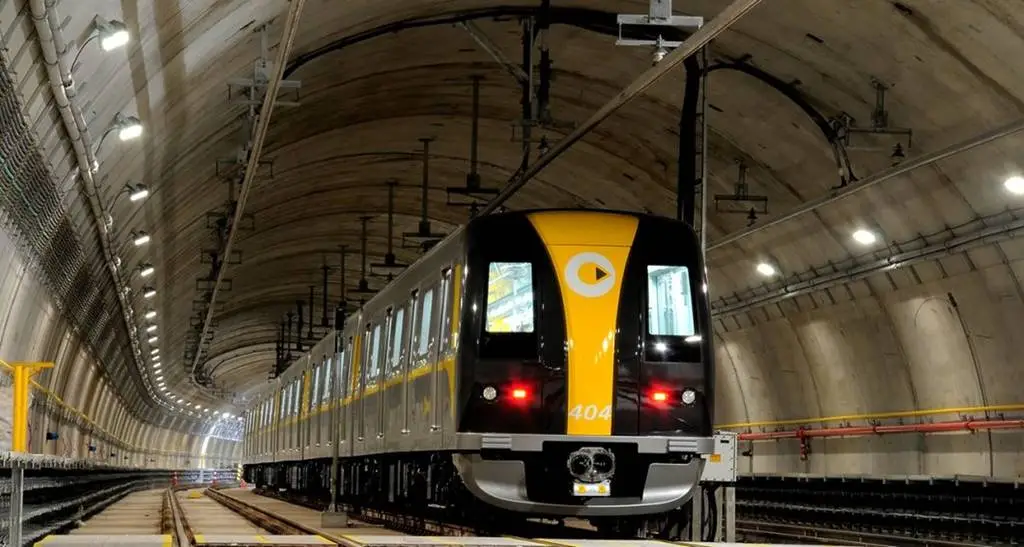
The west side of São Paulo is one of the city’s busiest transport corridors, where thousands rely on crowded buses to connect to the rail system.
São Paulo Metro Extension Aims to Boost Access and Efficiency
Extending Line 4 cuts transfer times, shortens journeys, and brings Taboão da Serra’s population directly into the metro network. Officials expect the two new stations to handle tens of thousands of passengers daily, easing traffic and boosting productivity.
Behind the deal is Motiva’s strategic shift. The company, formerly CCR, is exiting airports, trimming urban mobility holdings, and targeting leaner, higher-return concessions.
At its latest Investor Day, Motiva set a goal to cut operating costs from 41 percent of revenue to 28 percent by 2035. Analysts see discipline in that approach, maintaining a buy rating with a R$17.00 ($3.15) price target.
The risks are real—construction disruption, financing gaps, and cost pressure—but the stakes are clear. A short stretch of track, if well executed, could reshape daily life on São Paulo’s west side and signal that the city has finally learned how to deliver big projects without losing public trust.
More: Brazil news in English, every day from The Rio Times.
This article was drafted with automated assistance and reviewed before publication. How we use AI · Report an error
Read More from The Rio Times