Brazil’s Embrace of Iran Highlights Lula’s Pattern of Cozying Up to Authoritarian Regimes
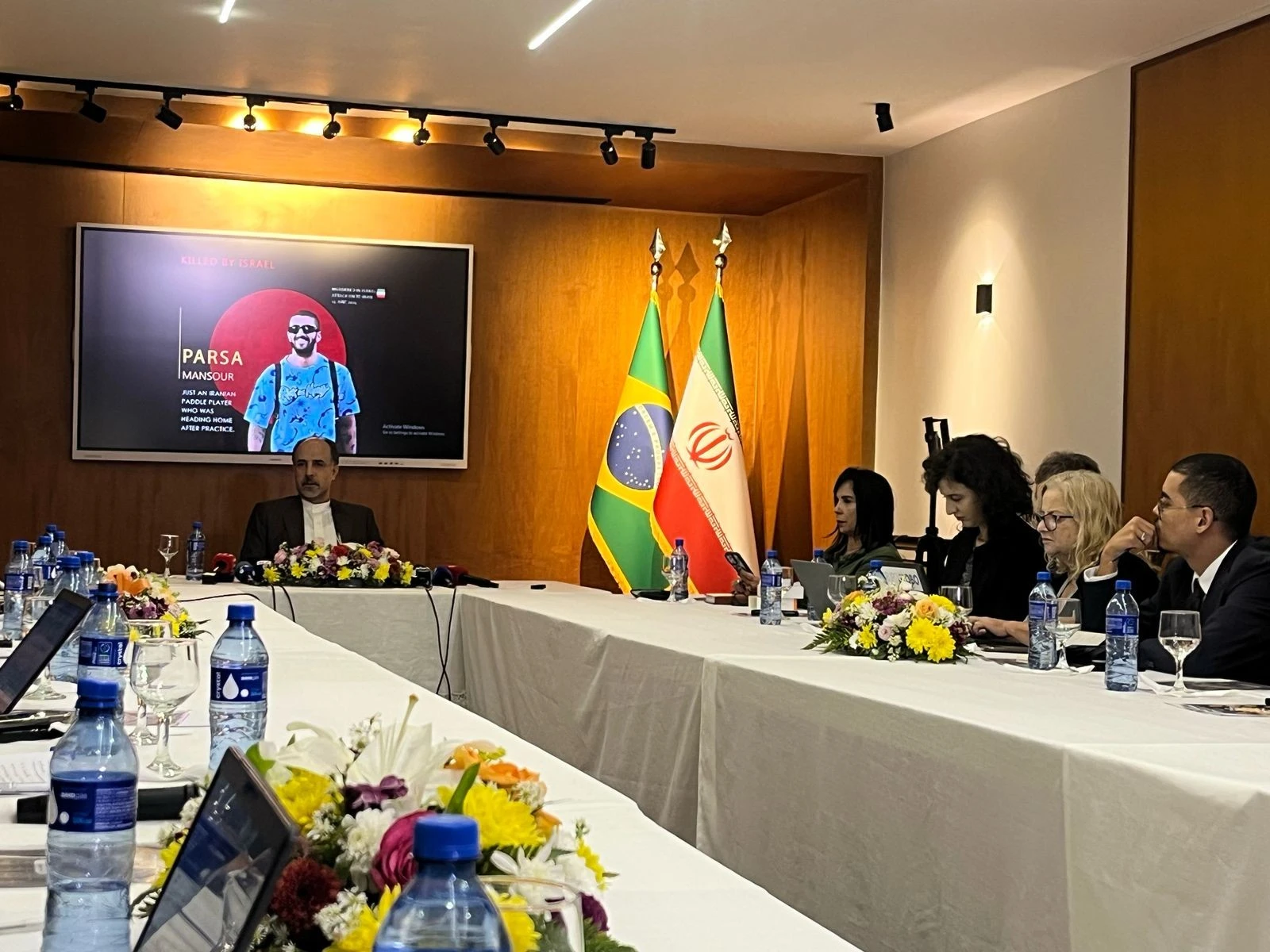
(Analysis) The Iranian ambassador in Brazil, Abdollah Nekounam, recently took center stage in Brasília to defend Iran’s nuclear program and thank BRICS countries for their support after US and Israeli strikes on Iranian nuclear facilities.
In a joint statement issued by the Brazilian Foreign Ministry, BRICS, with Brazil holding the rotating presidency, condemned the attacks as violations of international law and the UN Charter.
The bloc called for dialogue, de-escalation, and protection of civilian infrastructure, stressing the importance of upholding nuclear safety even in armed conflict. This episode is not an isolated case but fits a clear pattern in President Luiz Inácio Lula da Silva’s foreign policy.
Lula’s government has repeatedly aligned with authoritarian regimes, often at odds with Western democracies. In March 2023, Lula allowed two sanctioned Iranian warships to dock in Rio de Janeiro, despite objections from the United States.
That same year, he welcomed Iran into the BRICS group and met with then-Iranian president Ebrahim Raeisi, stopping short of condemning Iran’s human rights record.
Lula’s approach extends beyond Iran. He has called Cuba a “victim” of the US embargo and denounced Cuba’s inclusion on the US list of state sponsors of terrorism.
In Venezuela, Lula restored diplomatic ties with Nicolás Maduro’s government and refused to join dozens of nations in condemning Venezuela’s human rights abuses.
He dismissed charges against Maduro as a “constructed narrative,” drawing criticism from regional leaders who see his stance as minimizing real abuses.
Brazil’s Foreign Policy Balancing Act Faces Growing Strain
Lula’s foreign policy doctrine favors multilateralism and strategic autonomy, aiming to diversify Brazil’s alliances and reduce dependence on the US.
This has led to closer ties with China, Russia, and other non-Western powers. Lula’s government has often voiced anti-American rhetoric, especially when criticizing US sanctions or military interventions, and has positioned Brazil as a champion of the Global South.
However, this strategy comes with costs. Brazil’s alignment with regimes like Iran and Venezuela risks alienating key Western partners, especially the United States, which remains Brazil’s second-largest trading partner.
The US recently imposed a 10% tariff on Brazilian exports, citing trade imbalances. Such moves signal growing friction and potential economic consequences for Brazil.
Lula’s willingness to engage with authoritarian governments reflects a broader effort to assert Brazil’s independence on the world stage.
Yet, official records and diplomatic statements show that this approach often puts Brazil at odds with Western democracies and raises questions about the country’s commitment to human rights and democratic values.
As Brazil prepares to host the upcoming BRICS summit, its balancing act between East and West will remain under close scrutiny.
More: Brazil news in English, every day from The Rio Times.
This article was produced by The Rio Times’ automated newsroom system. How we use AI · Report an error
Read More from The Rio Times