Brazil-U.S. Trade Defies Tariff Storm, Hits Record $20 Billion in Q1 2025
Brazil and the United States achieved record bilateral trade of $20 billion during the first quarter of 2025, according to official data from Brazil's...
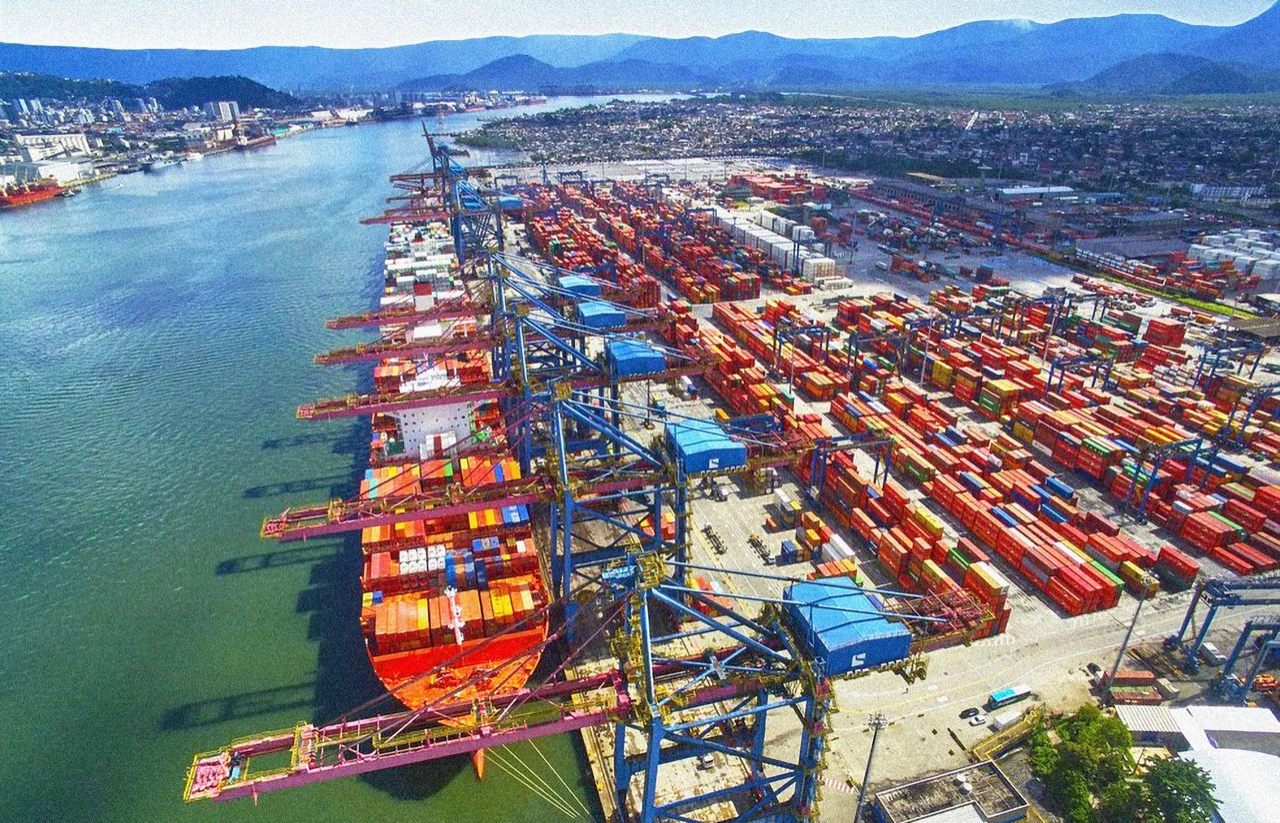
Brazil and the United States achieved record bilateral trade of $20 billion during the first quarter of 2025, according to official data from Brazil’s Ministry of Development, Industry and Foreign Trade. This milestone occurred despite new American tariffs targeting Brazilian exports.
Brazilian exports reached $9.65 billion while imports totaled $10.3 billion, creating a $654 million trade deficit for Brazil. The deficit marks a significant shift from previous years when Brazil maintained trade surpluses with its northern partner.
The United States imposed a 25% tariff on Brazilian steel and aluminum in March, followed by a broader 10% tariff on all Brazilian goods in April. These measures directly affect $6.97 billion worth of Brazilian exports from 2024, with steel accounting for $4.137 billion of this total.
Brazil serves as America’s second-largest steel supplier, exporting 4.08 million tons in 2024. This volume represented 42.6% of Brazil’s total steel exports and generated $2.99 billion in revenue.
The relationship proves particularly crucial for semi-finished steel products, where Brazil exported $2.3 billion worth of materials that American manufacturers require as industrial inputs.
The United States needs approximately 5.6 million tons of semi-finished steel annually, yet lacks domestic production capacity. Building sufficient American facilities would require three to four years, making Brazilian supplies essential for maintaining industrial operations.
Brazil–U.S. Trade Snapshot
Brazilian industrial exports to America reached a record $7.8 billion in the first quarter, representing an 8% increase from 2024. The United States now purchases 18% of Brazil’s total manufactured goods, up from 16.3% in 2022.
Approximately 10,000 Brazilian companies currently export to America, the highest number in 200 years of bilateral relations. Orange juice exports surged 74.4% while fuel oil shipments increased 42.1% during the quarter.
Brazil’s agricultural sector achieved record exports of $37.8 billion, demonstrating continued strength despite trade tensions. The services sector shows remarkable American dominance.
Brazilian steel and aluminum industries actively seek restoration of quota-based arrangements similar to those implemented during Trump’s first presidency in 2018.
Under that system, Brazil enjoyed tariff-free access for 3.5 million tons of semi-finished steel and 687,000 tons of rolled products annually.
The Institute for Applied Economic Research projects the 25% steel and aluminum tariff could reduce Brazilian exports by 11.27%, potentially causing $1.5 billion in lost revenue.
However, the overall economic impact remains minimal, with projected GDP decline of just 0.01%. Brazilian officials maintain continuous dialogue with American counterparts, emphasizing the complementary nature of the trade relationship.
The same vessels transporting American coal to Brazil often return carrying semi-finished steel essential for American manufacturing, illustrating the interconnected supply chains binding both economies together.
More: Brazil news in English, every day from The Rio Times.
This article was produced by The Rio Times’ automated newsroom system. How we use AI · Report an error
LatAm Markets: Live Signals → — real-time movers, turnover leaders and FX across Latin America.