Brazil’s Foreign Minister Joins Iran’s 30-Day Peace Push by Phone
Key Facts
— —Brazil’s Foreign Minister Mauro Vieira spoke by phone with Iran’s Abbas Araghchi on May 3, the second direct contact since a Paris meeting on March 26 during the G7.
— —The Brazil Iran talks discussed the 14-point peace plan Tehran has submitted to Washington via Pakistan, which proposes a 30-day path from ceasefire to a permanent end of the conflict.
— —Araghchi held similar calls with twelve countries between Friday and Sunday including Turkey, Qatar, Saudi Arabia, Egypt, Russia, France, Italy, and Japan, as Trump publicly rejected the proposal as unacceptable.
Brazil joined a 12-country diplomatic chain Tehran activated this weekend, as Iran tries to pressure Trump into accepting a peace plan he has already called unacceptable.
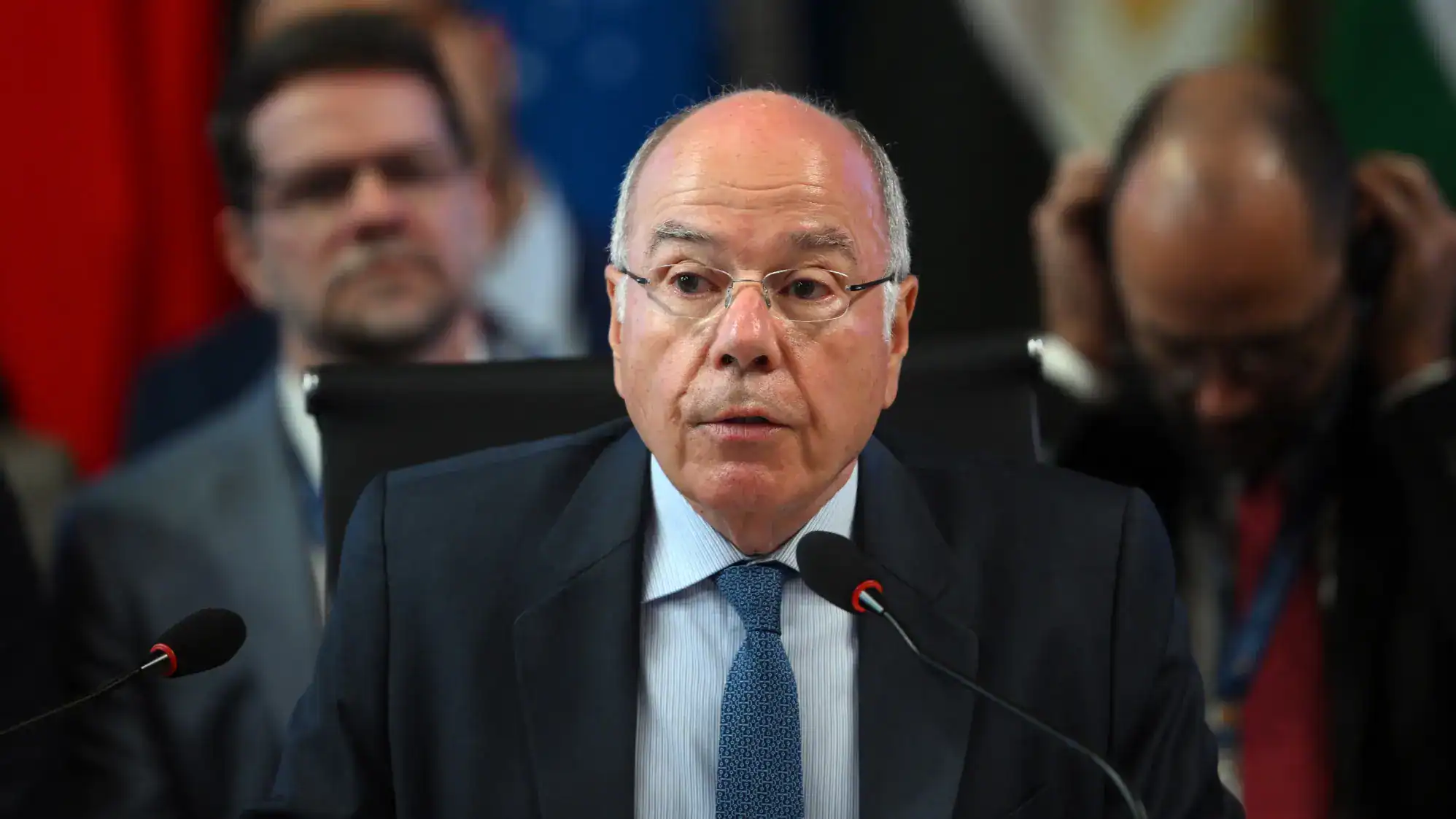
The Brazil Iran talks took place by phone on Sunday, May 3, when Foreign Minister Mauro Vieira and Iranian counterpart Abbas Araghchi discussed the war in the Middle East and prospects for a negotiated exit. The Rio Times, the Latin American financial news outlet, reports that this is the second direct contact between the two ministers since a Paris encounter on March 26 during the G7 meeting.
According to Brazil’s Itamaraty foreign ministry, the conversation covered the current stage of the conflict, the regional situation, the global economic impacts, and prospects for a negotiated way out. Vieira also expressed solidarity with the victims of the military strikes.
What the Brazil Iran Talks Actually Discussed
Iran has presented Washington with a 14-point peace plan via Pakistani intermediaries. According to Al Jazeera, the proposal sets out three phases that would convert the current ceasefire into a permanent end of the war within roughly 30 days.
The plan includes lifting the blockade of the Strait of Hormuz with a new management mechanism, a removal of US sanctions on Iran, and compensation for war damages. Tehran insists the proposal addresses only the war itself and does not cover its nuclear programme.
Brazil Iran Talks Sit Inside a 12-Country Diplomatic Push
Between Friday and Sunday, Araghchi made calls to counterparts in Turkey, Qatar, Saudi Arabia, Egypt, Iraq, Azerbaijan, Russia, South Korea, Japan, France, Italy, and Oman. Each conversation framed the 14-point plan as the basis for ending what Tehran calls “a war that did not begin.”
Italian counterpart Antonio Tajani told Araghchi that reopening the Strait of Hormuz was urgent for European energy markets but pressed Iran on its nuclear programme. Other capitals strangled by higher fuel costs delivered similar messages.
Trump Pushes Back as Brazil Iran Talks Continue
President Donald Trump publicly rejected Iran’s proposal on Sunday, telling reporters it was “not acceptable” and signalling he was prepared to return to military operations if needed. The White House had earlier told Tehran that the United States would respond in writing to the plan.
Trump separately announced “Project Freedom,” a US naval initiative to escort civilian shipping out of the Hormuz strait beginning Monday. Brent crude has remained above $90 since the latest Hormuz attacks, with effects on oil-importing emerging markets including Brazil.
What the Brazil Iran Talks Mean for Latin America
Brazil’s role in the Iran war has been deliberately cautious. Lula’s government has condemned the strikes on Iranian territory, called for de-escalation, and avoided military positioning, while Iran is a fellow BRICS member with which Brasília maintains active dialogue.
For Latin America’s energy economies, the call signals continued Brazilian engagement with the diplomatic track. Petrobras and other regional producers benefit from sustained higher Brent levels, even as importing economies absorb the cost.
The Brazil Iran talks will not change the calculus in Washington alone. They register Brazil as a participating voice in the multipolar diplomacy now circling the war.
More: Brazil news in English, every day from The Rio Times.
This article was produced by The Rio Times’ automated newsroom system. How we use AI · Report an error
Read More from The Rio Times