Brazil Hits 3.7 Million Boe/D Pre-Salt Production Record
The National Petroleum Agency (ANP) reported that Brazil produced 3.716 million barrels per day of oil equivalent from its pre-salt layer in March 2025.
Production rose 5.2 percent from February and jumped 10.9 percent year on year. Operators tapped 157 pre-salt wells, which delivered nearly 80 percent of Brazil’s total oil and gas output.
Brazil’s total oil and gas production reached 4.662 million boe/d in March. Oil alone hit 3.621 million barrels per day, up 3.8 percent from February and 7.9 percent year on year.
Gas output rose to 165.53 million cubic meters per day, a 4.3 percent monthly and 15 percent yearly gain. Offshore fields generated 97.6 percent of oil and 87.9 percent of gas. Petrobras, alone or in consortium, produced 90.19 percent of national output.
Brazil drilled 6,466 wells nationwide, including 528 offshore and 5,938 onshore. The pre-salt layer lies beneath 2,000 meters of salt and over 7 kilometers of water in deep offshore basins.
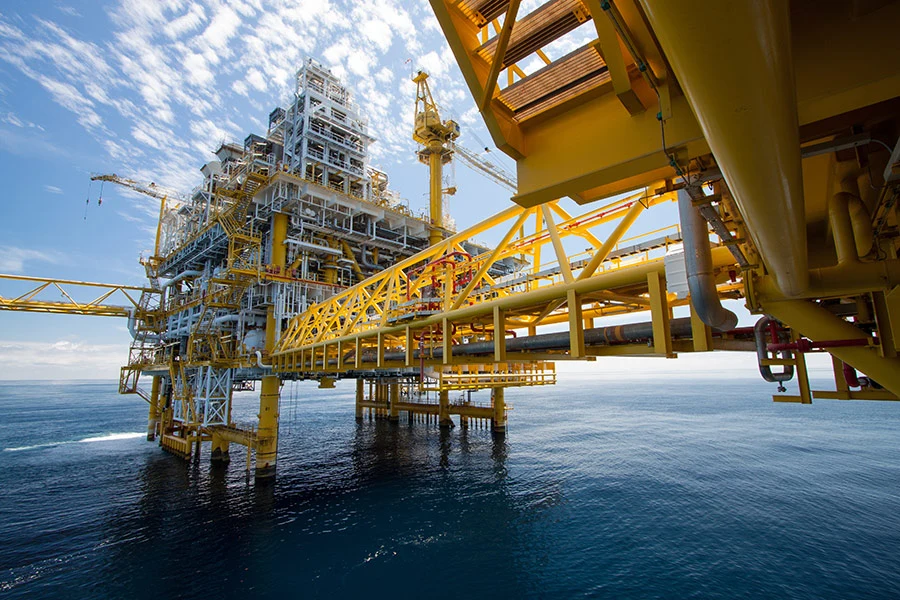
Experts estimate these basins hold about 50 billion barrels of recoverable oil. Operators first tapped pre-salt in 2008. They boosted output from 41,000 barrels per day in 2010 to over 1.4 million barrels per day by 2018.
Brazil’s Pre-Salt Oil Production Drives Growth
Market players have invested heavily in floating production units to tap these deep fields. The FPSO Almirante Tamandaré can process 225,000 barrels per day and 12 million cubic meters of gas.
This vessel began production in February 2025 in the Búzios field. It forms one of six units set to boost output toward 2 million barrels per day from Búzios by 2030. Petrobras logged a pre-salt operated production peak of 3.38 million boe/d in the first quarter.
The government expects oil export revenues to top $70 billion in 2025, driven largely by pre-salt output. In May 2024, ANP approved geological studies for four new Santos Basin pre-salt blocks.
Companies expect to bid these blocks in auctions starting in late 2025. Major global players like Exxon and Shell have signaled interest in these auctions. Companies bring down unit costs to around $25 per barrel in pre-salt, making it highly competitive.
Drillers have cut average well costs from $600 million to $450 million through drilling efficiency. Local content rules require 30 percent of equipment and services to come from Brazilian suppliers.
These rules have nurtured a domestic service industry with 200 specialized firms. Brazil’s local rig fleet stands at 30 drilling units, with 20 rated for ultra-deepwater. These rigs support 75 percent of pre-salt drilling activity.
Export pipelines and terminals have seen $10 billion in recent upgrades. Major hubs at Santos and Açu now handle 2 million barrels per day of export capacity.
The pre-salt surge has turned Brazil into a leading global oil supplier. This deepwater boom has reshaped local industry and positioned Brazil for continued growth.
More: Brazil news in English, every day from The Rio Times.
This article was produced by The Rio Times’ automated newsroom system. How we use AI · Report an error · Editorial responsibility: Matthias Camenzind, Editor-in-Chief
LatAm Markets: Live Signals → — real-time movers, turnover leaders and FX across Latin America.
Brazil runoff, Sunday, October 25: Brazil runoff date. Latest: Brazil runoff polls, Flávio 51%, Lula 49%.
Read More from The Rio Times