Brazil and U.S. Steel Tariff Talks Intensify as Exporters Brace for Impact
Brazilian Vice President Geraldo Alckmin recently outlined progress in negotiations with the U.S. over steel tariffs, emphasizing economic complementarity as the foundation for dialogue.
The talks aim to address a 25% import tax on Brazilian steel and aluminum, imposed by the U.S. on March 12, 2025, which threatens Brazil’s position as the top supplier of steel plate to the American market.
Brazil exported 3.4 million tons of steel to the U.S. in 2024, accounting for 60.7% of American steel plate imports. This relationship was previously stabilized by a 2018 quota system allowing duty-free exports of up to 3.5 million tons, but the new tariffs have eliminated that framework.
Alckmin stressed that Brazil is not a trade adversary, noting the U.S. holds a surplus in goods and services with Brazil, where eight of its top exports face zero tariffs.
The Institute for Applied Economic Research (IPEA) warns that the tariffs could cost Brazilian steel exporters $1.5 billion in lost revenue. They also predict a reduction in production by 700,000 tons in 2025.
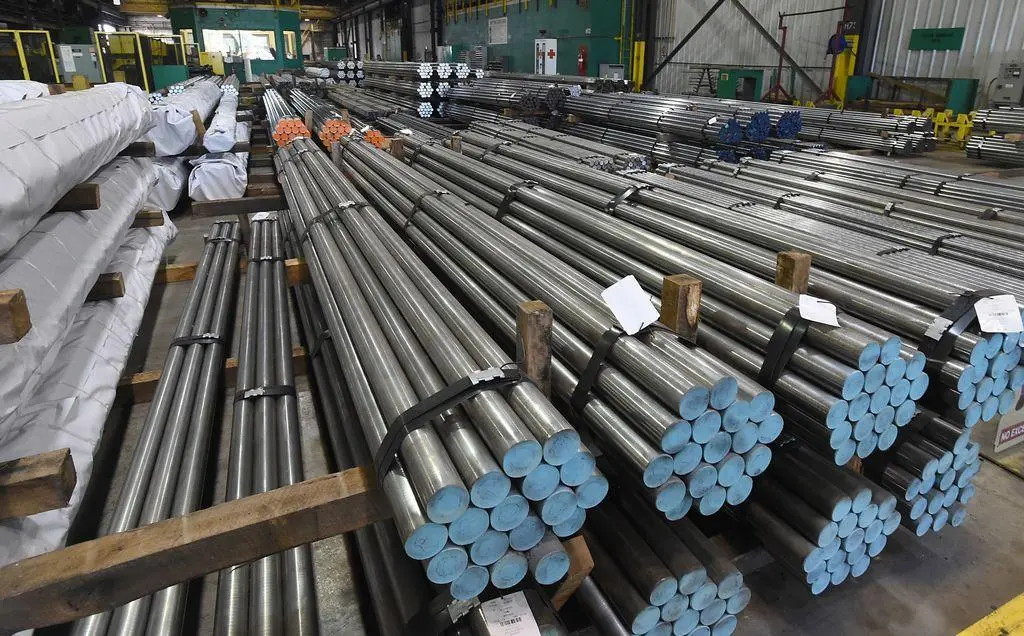
However, broader economic impacts appear limited, with GDP projected to dip just 0.01%. U.S. industries reliant on Brazilian steel slabs—critical for domestic manufacturing—also risk higher costs for producers and consumers.
Brazil’s Trade Negotiations and Steel Industry Resilience
Brazilian negotiators are pursuing technical talks with U.S. trade officials. They are leveraging the Agreement on Trade and Economic Cooperation (ATEC) to find mutually beneficial solutions.
Alckmin hinted at reviving quota systems as a potential alternative to tariffs. This strategy had succeeded in earlier negotiations with the Trump administration.
While Brazil retains the option to file a World Trade Organization complaint, officials prioritize bilateral engagement to avoid escalation. Domestically, Brazil’s steel sector faces added pressure from Chinese competitors using predatory pricing tactics.
Despite this, the industry remains robust, bolstered by abundant iron ore reserves and decades of strategic evolution from state-owned enterprises to privatized global players.
The stakes extend beyond tariffs, reflecting a broader test of global trade dynamics. For Brazil, preserving access to its largest steel export market is critical to sustaining its role as Latin America’s industrial powerhouse.
The outcome of these talks will determine whether economic interdependence prevails over protectionist measures. This will shape the future of cross-continent trade relationships.
More: Brazil news in English, every day from The Rio Times.
This article was produced by The Rio Times’ automated newsroom system. How we use AI · Report an error · Editorial responsibility: Matthias Camenzind, Editor-in-Chief
LatAm Markets: Live Signals → — real-time movers, turnover leaders and FX across Latin America.