Azul Airlines Cuts 12 Brazilian Cities Amid Financial Turnaround
Azul Brazilian Airlines announced the suspension of flights to 12 Brazilian cities beginning March 10, 2025. The airline cited mounting operational costs, currency devaluation, and fleet constraints as primary factors driving this decision.
The suspended destinations span several states, including Barreirinhas (Maranhão), Cabo Frio and Campos (Rio de Janeiro), Correia Pinto (Santa Catarina), and multiple cities in northeastern Brazil. Azul has already notified affected customers about these changes.
Passengers traveling to Fernando de Noronha face additional adjustments. Starting March 3, flights to the island will operate exclusively from Recife. Juazeiro do Norte connections will redirect to Viracopos Airport in Campinas, Azul’s main operational hub.
These network changes come amid Azul’s comprehensive financial restructuring. The airline recently eliminated approximately $1.6 billion in debt while securing $525 million in new funding. This financial overhaul reduced interest expenses by nearly R$1 billion for 2025 and beyond.
“I won’t continue flying where we’re losing money,” CEO John Rodgerson stated recently. The executive highlighted how the Brazilian real’s depreciation has dramatically increased costs since the airline’s 2008 founding.
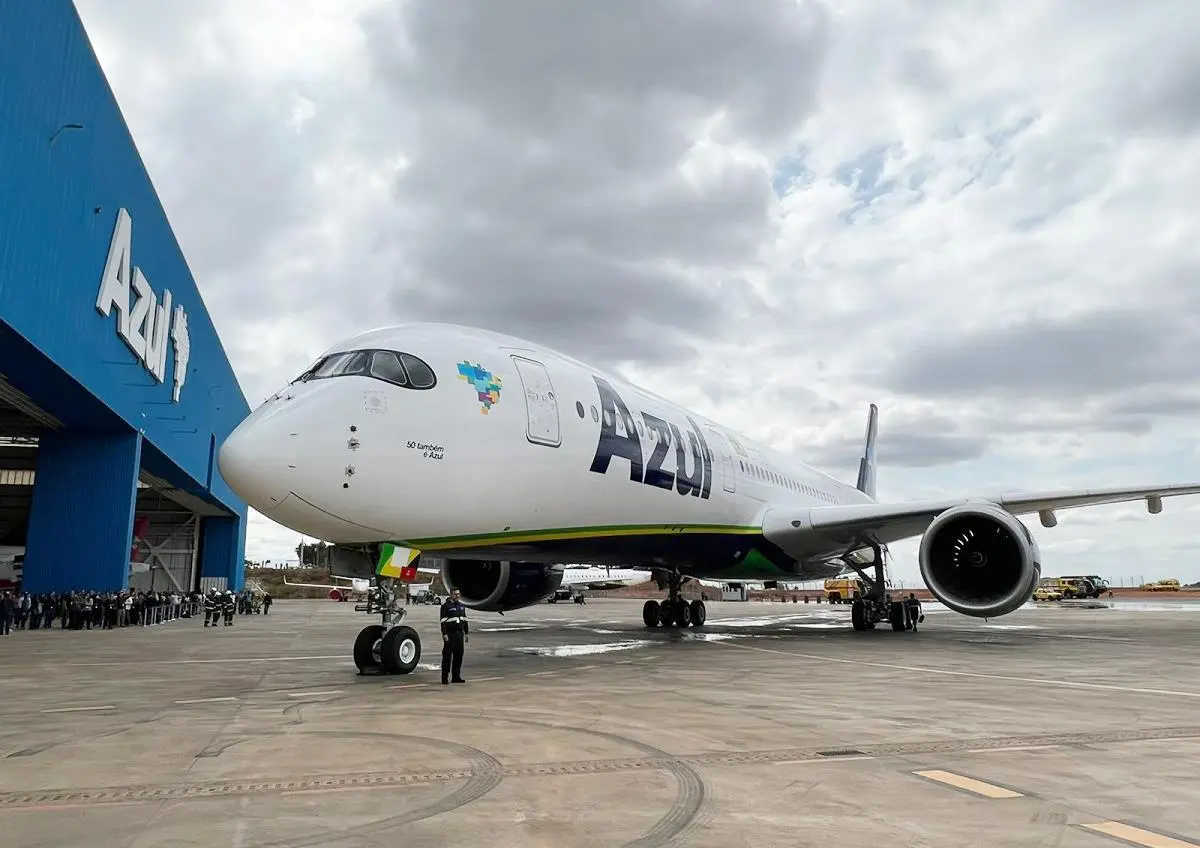
Azul’s 2025 Growth Strategy
Despite these challenges, Azul maintains an optimistic outlook for 2025. The company projects record revenue of R$20 billion and an EBITDA of R$7.4 billion. These figures represent a 40% increase compared to pre-pandemic performance in 2019.
The restructuring agreements should generate over $300 million in additional cash flow through 2027. This improved liquidity will help Azul maintain competitiveness in Brazil’s aviation market.
These operational changes unfold as discussions continue regarding a potential merger between Azul and Gol. The Abra group, which controls Gol and Avianca, signed a memorandum with Azul to explore combining their Brazilian operations.
The airline emphasized its commitment to adjusting capacity to market demands while maintaining service quality. Brazil’s largest carrier by network coverage continues to evaluate operations as part of its “back to basics” approach for 2025.
This article was produced by The Rio Times’ automated newsroom system. How we use AI · Report an error · Editorial responsibility: Matthias Camenzind, Editor-in-Chief
Read More from The Rio Times