São Paulo’s Water Lifeline Under Siege: Guarapiranga Contamination Threatens Millions
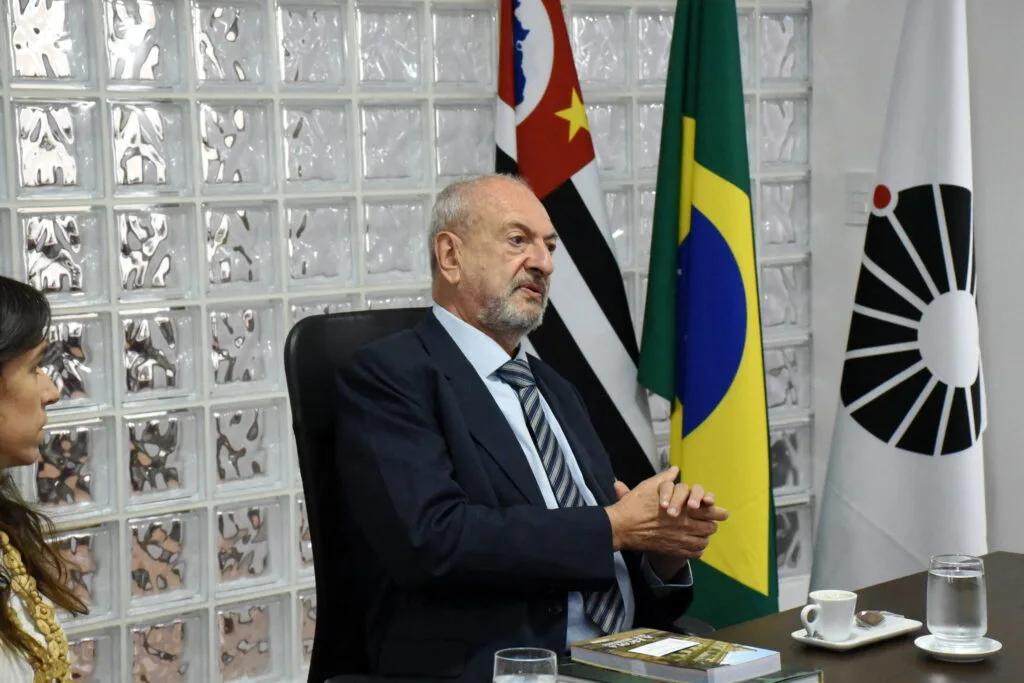
São Paulo’s climate secretary, José Renato Nalini, warned on March 17, 2025, that the city risks losing half its drinking water due to escalating contamination in the Guarapiranga Reservoir.
The reservoir, which supplies 3.7 million residents, faces severe pollution from untreated sewage, pharmaceutical residues, microplastics, and even cocaine metabolites, making its water unsafe to drink.
The crisis stems from rampant illegal settlements and deforestation around the reservoir. Urban expansion destroyed natural buffers, allowing raw sewage from unregulated constructions to flow directly into the water.
Tests reveal alarming levels of coliform bacteria, antidepressants, antibiotics, and pesticides like atrazine, alongside microplastics. Despite weekly joint operations with environmental police, officials admit they’re overwhelmed by the scale of encroachment.
This threat follows São Paulo’s 2014-2015 drought, when reservoirs plummeted to 5% capacity, forcing rationing and infrastructure strain. Climate change now exacerbates risks with unpredictable rainfall patterns, prolonged droughts under El Niño cycles, and intensified evaporation from rising temperatures.
La Niña’s arrival in 2025 hasn’t reversed these trends, with reservoirs at 61.7% capacity—down from 77.3% a year earlier.
Sabesp’s Efforts and São Paulo’s Water Crisis
Sabesp, the state water utility, has invested R$55 million in infrastructure upgrades and plans to expand treatment systems by 2027. However, 20% of treated water still leaks from aging pipes, and deforestation in critical watersheds has degraded natural filtration systems.
Broader challenges include the Tietê River’s pollution, where 163 km of stretches are contaminated by industrial and agricultural waste. Experts emphasize that concrete solutions alone won’t suffice.
Forest restoration around reservoirs could reduce sediment pollution by 36% within decades, while stricter regulations against illegal settlements are critical.
Without action, São Paulo risks repeating its 2015 crisis, with dire economic and social consequences for Brazil’s largest metropolis. Nalini’s warning underscores the urgent need for coordinated environmental and urban planning to safeguard a lifeline under siege.
More: Brazil news in English, every day from The Rio Times.
This article was produced by The Rio Times’ automated newsroom system. How we use AI · Report an error
Read More from The Rio Times