

The United States Trade Representative (USTR) launched an investigation in July 2025 into Brazil’s fast-growing payment system Pix.
Washington acts on complaints from the Information Technology Industry Council (ITI), a group representing major U.S. technology and financial firms.
The ITI argues that Brazil’s central bank plays a double role by both regulating and running Pix, creating unfair competition for private players.
Pix, introduced in 2020, has become Brazil’s dominant way to move money. It now handles nearly half of all transactions in the country and counts about 150 million users, according to the Central Bank of Brazil.
For consumers, it is free. For merchants, fees average between 0.22 and 0.33 percent, far below the 1 to 2 percent charged by card networks like Visa and Mastercard. That price gap makes Pix extremely attractive but leaves foreign firms struggling to compete.
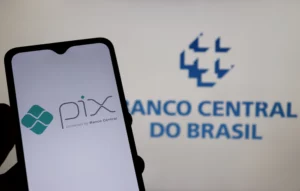
The ITI points to other barriers as well. Banks in Brazil must prioritize Pix in their apps, which channels users toward the system. International card networks cannot use their credentials to initiate Pix payments.
New tax proposals such as the Digital Social Contribution, added to existing financial levies, make the environment even heavier for foreign companies. Brazilian officials defend Pix as a public service that reduced costs and expanded financial access.
Pix Becomes a Flashpoint in Brazil-U.S. Trade Dispute
President Luiz Inácio Lula da Silva called it a national achievement. The central bank reports that Pix has brought more than 70 million people into the banking system, cutting dependence on cash.
Finance Minister Fernando Haddad warned that 10,000 Brazilian firms could suffer if the U.S. imposes tariffs and promised credit support for them.
Brazil also filed a formal response challenging the U.S. probe and requested consultations under World Trade Organization rules. The conflict goes beyond fees.
It shows how digital infrastructure, once seen as a purely domestic issue, now shapes trade disputes between nations. Pix has become a symbol of state-led innovation that disrupts established financial networks.
The U.S. wants a level playing field for its companies. Brazil wants to protect a system that millions rely on every day. What is at stake is not only who profits from payments in Brazil but who sets the rules for digital money in the future.