Nigeria’s Bold Move: Selling Oil in Naira Reshapes Economic Landscape
Nigeria has taken a groundbreaking step in its oil industry. The country now sells crude oil and refined petroleum products in its local currency, the naira.
This change began on October 1, 2024, following a directive from the Federal Executive Council. The decision marks a significant shift from the long-standing practice of using US dollars for oil transactions.
The Nigerian National Petroleum Company will supply 385,000 barrels of crude oil daily to the Dangote Petroleum Refinery. This arrangement will involve payments made entirely in naira.
In return, Dangote will provide gasoline and diesel to the domestic market, also paid for in naira. The government aims to boost local refining and reduce dependence on imported fuel through this initiative.
While the oil will still be valued in dollars at international market prices, all financial settlements will use naira. The exchange rate for these transactions has not yet been disclosed.
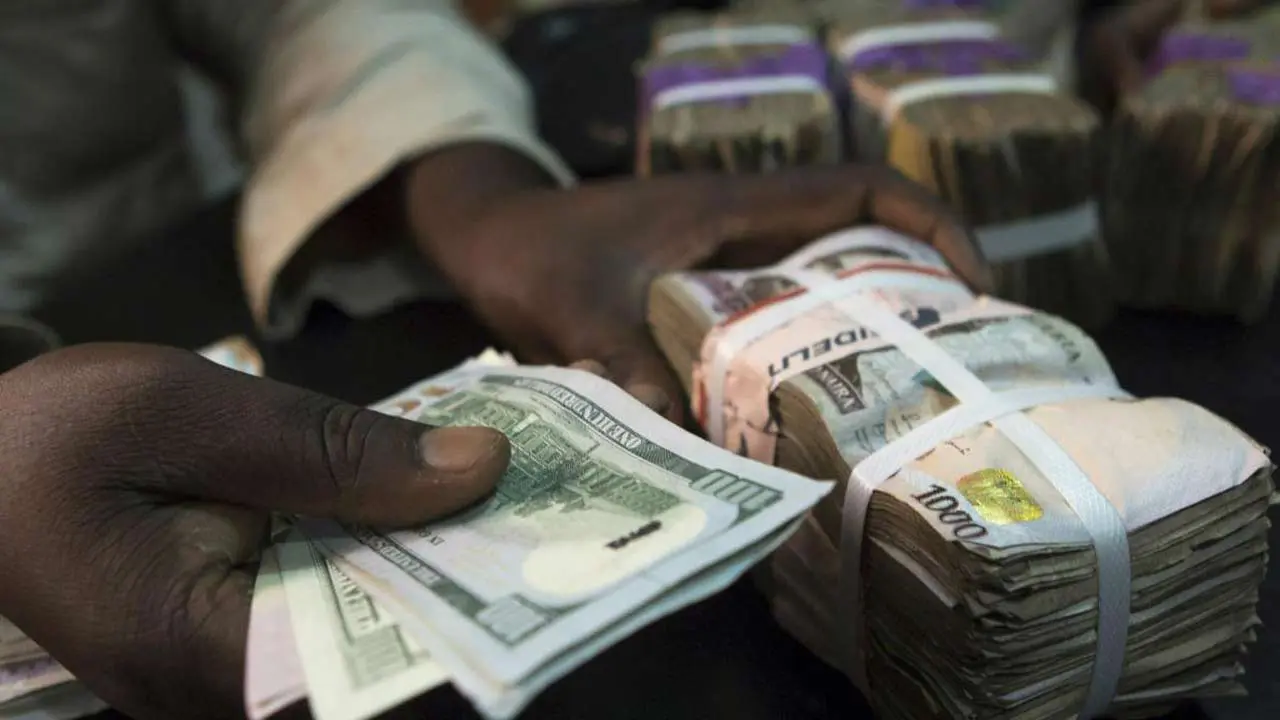
This move extends to maritime and port regulatory costs for coastal deliveries, which will now be paid in naira instead of dollars.
Nigeria’s Bold Shift in Oil Policy
The policy could significantly impact both domestic and international oil markets. Nigeria’s crude oil exports might drop below one million barrels per day.
This could potentially tighten the West African crude market. The increased processing at the Dangote refinery could also reshape regional import and export dynamics.
This shift to naira-based oil sales stems from several economic considerations. The Nigerian government hopes to conserve its foreign exchange reserves by reducing dollar outflows.
They also aim to enhance economic growth, stability, and self-sufficiency. Creating demand for naira in oil transactions may help support the currency’s value.
However, this bold move faces some challenges. The Independent Petroleum Producers Group warns of potential increased currency volatility and reduced foreign exchange receipts.
Some industry stakeholders argue that the policy might conflict with existing laws. There are also concerns about possible disruptions to current crude oil supply contracts and international trading relationships.
Nigeria’s decision aligns with a global trend of countries seeking alternatives to the US dollar for international trade.
This trend, often called “dedollarization,” gained momentum after the Russia-Ukraine conflict began in February 2022. Several countries have since explored local currency arrangements for oil and gas trades.
While not completely abandoning the dollar, Nigeria‘s policy represents a significant step towards reducing dollar dependence in its oil sector.
The success of this initiative could potentially influence other oil-producing nations to consider similar strategies. This move might gradually reshape the landscape of global oil trade.
The outcome of Nigeria’s naira-based oil sales policy remains to be seen. It could lead to increased economic stability and growth if successful.
However, it may also face challenges in implementation and international acceptance. Regardless, this bold move has certainly caught the attention of the global oil industry and economic observers worldwide.
More: Nigeria news in English, every day from The Rio Times.
This article was produced by The Rio Times’ automated newsroom system. How we use AI · Report an error · Editorial responsibility: Matthias Camenzind, Editor-in-Chief
Part of our ongoing coverage
Africa: The New Scramble — the great-power contest over the continent.