

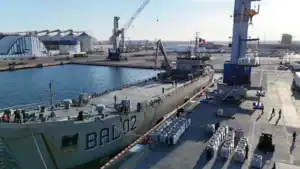
Two Mexican Navy ships loaded with rice, beans and powdered milk slid into Havana harbor on Thursday. Hours earlier, Chile’s foreign minister announced his country would be next in line to help.
Foreign Minister Alberto van Klaveren framed the decision in purely humanitarian terms. Aid will flow through the Fondo Chile contra el Hambre y la Pobreza — the same mechanism used for Ukraine and Gaza — and be channeled through UN agencies. Asked about U.S. retaliation risks, he noted Washington itself has sent $9 million in relief to Cuba via the Catholic Church since Hurricane Melissa.
The crisis is acute. Since the U.S. operation that toppled Venezuela’s Maduro in January, Cuba lost its main oil lifeline. A Trump executive order then threatened tariffs on any nation still selling fuel to Havana, cutting off Mexico as well. Not a single barrel has entered the country in 2026. Airports suspended jet fuel through March 11, forcing Canadian airlines to evacuate thousands of tourists. Hospitals ration surgery, state workers shifted to a four-day week.
Inside Chile’s coalition, the move eased a familiar tension. The Communist Party — a Boric ally that defends Havana — had urged action, with leader Lautaro Carmona visiting Cuba in January. Spokesperson Camila Vallejo drew a firm line: aid is not political support. That distinction matters where Boric has denounced both the U.S. embargo and Cuba’s dictatorship — a balancing act that satisfies neither his communist partners nor centrist ones, but now comes with a shipment attached.