

Brazil is spending R$4.64 billion ($800 million) to overhaul 11 airports, betting that unclogging its busiest hub and wiring regional cities into the national air network will pay for itself.
The centerpiece is Congonhas, São Paulo’s downtown airport, which handles 29 million passengers a year through infrastructure built for far fewer. Over half the total budget — R$2.6 billion ($450 million) — goes to doubling the terminal to 135,000 square meters, expanding the aircraft apron, and adding seven boarding bridges for a total of 19. The target is 40 million passengers annually.
The rest of the money flows to 10 regional airports in Minas Gerais, Pará, and Mato Grosso do Sul — states where agricultural and mining powerhouses remain poorly connected by air. The government framed the plan as “interiorization,” linking inland economic hubs like Uberlândia, Carajás, and Campo Grande directly to Brazil’s major centers.
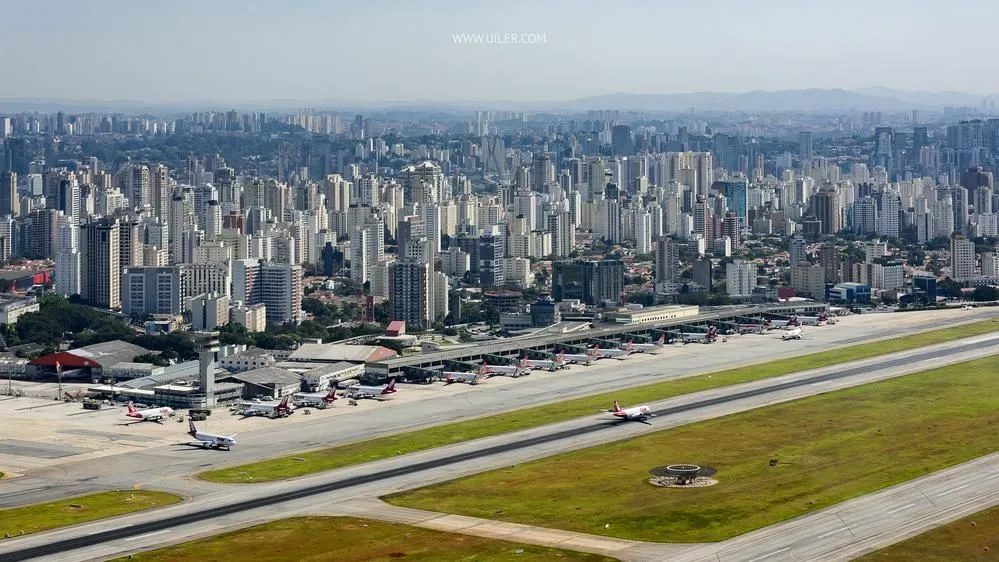
Brazil Puts $800 Million Into Unclogging Its Airports
Spanish concessionaire Aena Brasil will execute the works, financed by state development bank BNDES under the Novo PAC infrastructure program. BNDES president Aloizio Mercadante said the financing structure is designed so the projects pay for themselves through future airport revenue, limiting fiscal risk.
The government expects roughly 2,800 construction jobs during the build-out and 700 permanent positions once completed. Regional terminals are due by June 2026; Congonhas by June 2028.
For international investors watching Brazil’s infrastructure pipeline, the signal is clear: Brasília is using concessionaire-led, self-financing models to modernize transport without blowing up the budget — a template it hopes to repeat across sectors.