

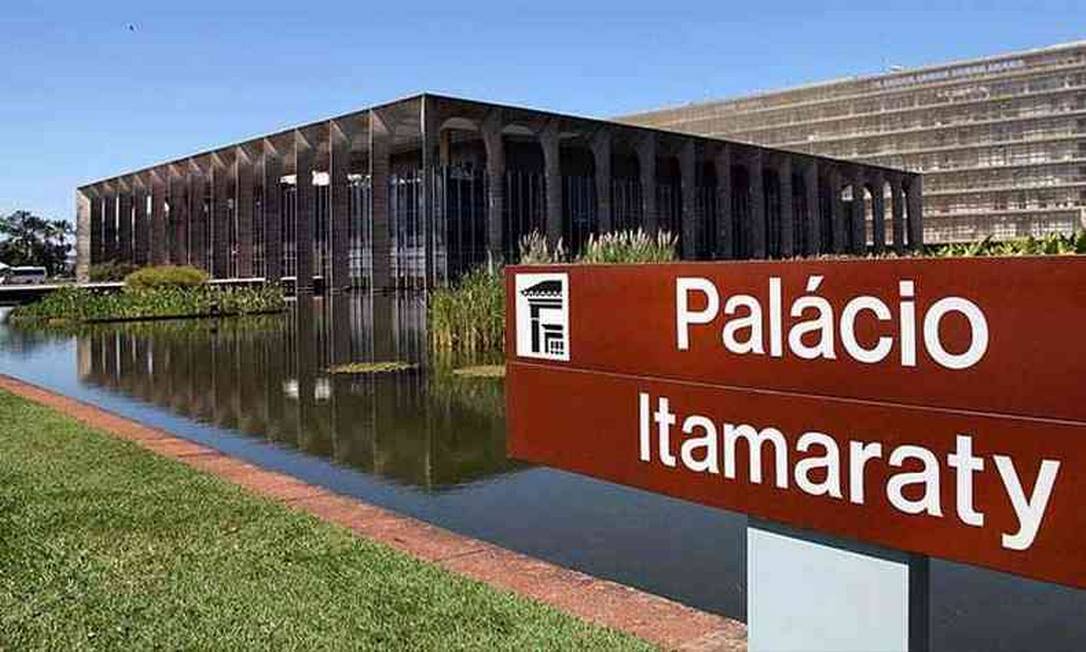
Hours after US and Israeli forces struck targets across Iran on February 28, killing Supreme Leader Ali Khamenei and dozens of senior military officials, Brazil’s Foreign Ministry issued a formal condemnation. Itamaraty expressed “grave concern” over the military action, called for respect for international law, and urged all parties to exercise maximum restraint.
The statement placed Brazil alongside the United Nations, China, and several countries that condemned the strikes. It also placed Brasília squarely in the crosshairs of a domestic debate about whose interests the country’s foreign policy actually serves.
The Case Against
Conservative commentators and opposition lawmakers were swift to attack. They argue that Lula’s government has repeatedly positioned Brazil on the wrong side of major geopolitical events, extending diplomatic courtesy to authoritarian regimes while distancing itself from traditional Western allies. The presence of Iranian naval vessels in Brazilian waters — which Washington had asked Brasília to deny port access — remains a sore point.
Critics also note that Lula appeared caught off guard by the strikes, having publicly urged restraint on Trump’s rhetoric toward Iran just days before the attack, even as US military logistics pointed toward imminent action. For the right, the episode reflects a foreign policy apparatus that is ideologically captured and poorly informed.
The Case For
Defenders of the government’s position counter that Brazil’s statement was consistent with a foreign-policy tradition that predates Lula. The principle of non-intervention and the rejection of unilateral military action have been pillars of Brazilian diplomacy since the mid-20th century, upheld by governments of both the left and the right.
They also point out that Brazil was far from alone. UN Secretary-General António Guterres condemned the escalation. China called the strikes “unacceptable.” France demanded an emergency Security Council session. Even Gulf states targeted by Iran’s retaliation — Qatar, Kuwait, Bahrain — initially called for restraint before the missiles hit their own territory. Condemning a military strike that killed over 100 schoolgirls in Minab, supporters argue, is not ideological alignment — it is basic adherence to international norms.
The Broader Pattern
The Iran debate does not exist in isolation. It follows similar controversies over Brazil’s handling of the Russian invasion of Ukraine and its stance on Venezuela, where critics accuse Lula of favoring autocrats and supporters see continuity with decades of South-South diplomacy. Each crisis restarts the same argument: is Brasília defending sovereignty principles or providing diplomatic cover?
What It Means for Brazil
The practical stakes extend beyond rhetoric. Brazil holds a non-permanent seat on the UN Security Council and is due to host the G20 climate summit later this year. Its positioning on Iran will shape how Washington, Beijing, and European capitals engage with Brasília on issues from trade to climate finance.
For Lula, the calculus is familiar: uphold principles that resonate with the Global South and Brazil’s diplomatic establishment, while absorbing criticism from a domestic right that views every Itamaraty statement through the lens of 2026 election politics. The Iran strikes have made that balancing act considerably harder.