

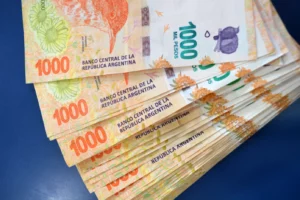
Argentina’s peso sharply lost value in early 2025. Official government and central bank data reveal the causes as a mix of policy changes, trade imbalances, and shifting market dynamics rather than sudden shocks.
In April, authorities relaxed strict currency controls and introduced a managed exchange rate band between 1,000 and 1,400 pesos per U.S. dollar. This shift allowed the peso to float more freely, leading to an immediate devaluation of about 12%.
By July, the peso hovered around 1,275 per dollar, marking steady depreciation. Central bank reserves, key for maintaining currency stability, dropped to nearly $9 billion by April, far below international agreement targets.
This low reserve level weakened Argentina’s ability to support the peso against market pressures. Tourism added to the dollar shortage. Argentines spent $4.92 billion abroad during the first quarter but attracted only $1.45 billion from foreign visitors.
This $3.47 billion deficit drained dollars from the economy. Additionally, fewer tourists came from neighboring countries, discouraged by the peso’s previous artificial strength that had made local travel expensive.
Agricultural exports remain a backbone for dollar inflows, but after a temporary tax break on exports ended in June, many farmers delayed selling their crops to wait for better currency conditions.
Official reports confirm exports slowed despite strong production forecasts, reducing the flow of foreign currency. Policymakers tried to contain the situation through tighter money supply controls and fiscal measures. However, shrinking reserves limited their effectiveness.
Inflation surged to around 180% annualized by July, eroding purchasing power. The minimum wage at that time only covered one-third of the basic food basket, further straining household budgets.
This situation shows how trade deficits, currency policy, and sector-specific factors combined to push the peso down. Businesses face uncertainty and households see rising costs daily.
Without steady export dollars, solid reserves, and balanced tourism, the peso remains under constant pressure. The official data confirms the peso’s decline results from these interconnected forces rather than any single cause.