Armed Groups Weaponize Power Supply in Haiti Crisis
Armed groups occupied Haiti’s largest hydroelectric plant on May 14, forcing a total shutdown that plunged Port-au-Prince and central regions into darkness, according to state utility Electricité d’Haïti (EDH).
The Péligre facility, producing 30% of Haiti’s grid electricity, now sits idle as gangs tighten control over critical infrastructure amid a spiraling security vacuum. Decades of neglect left the 47-megawatt plant vulnerable long before this takeover.
Silt buildup since its 1956 construction reduced reservoir capacity by 60%, slashing dry-season output from 22 MW to 10 MW. Labor strikes over unpaid wages halted operations for weeks in 2023, while protests over inequitable power distribution triggered another shutdown in September 2024.
Haiti’s energy grid remains brittle, relying on imported diesel for 70% of its electricity. Only 2.2% of rural households have reliable access. Meanwhile, gangs expanded beyond Port-au-Prince, seizing 80% of the capital and encroaching on Mirebalais near Péligre since March.
Understaffed police forces failed to secure the area, enabling the armed takeover. Over 60,000 residents fled Port-au-Prince violence in early 2025, compounding humanitarian strains as 5.5 million require urgent aid.
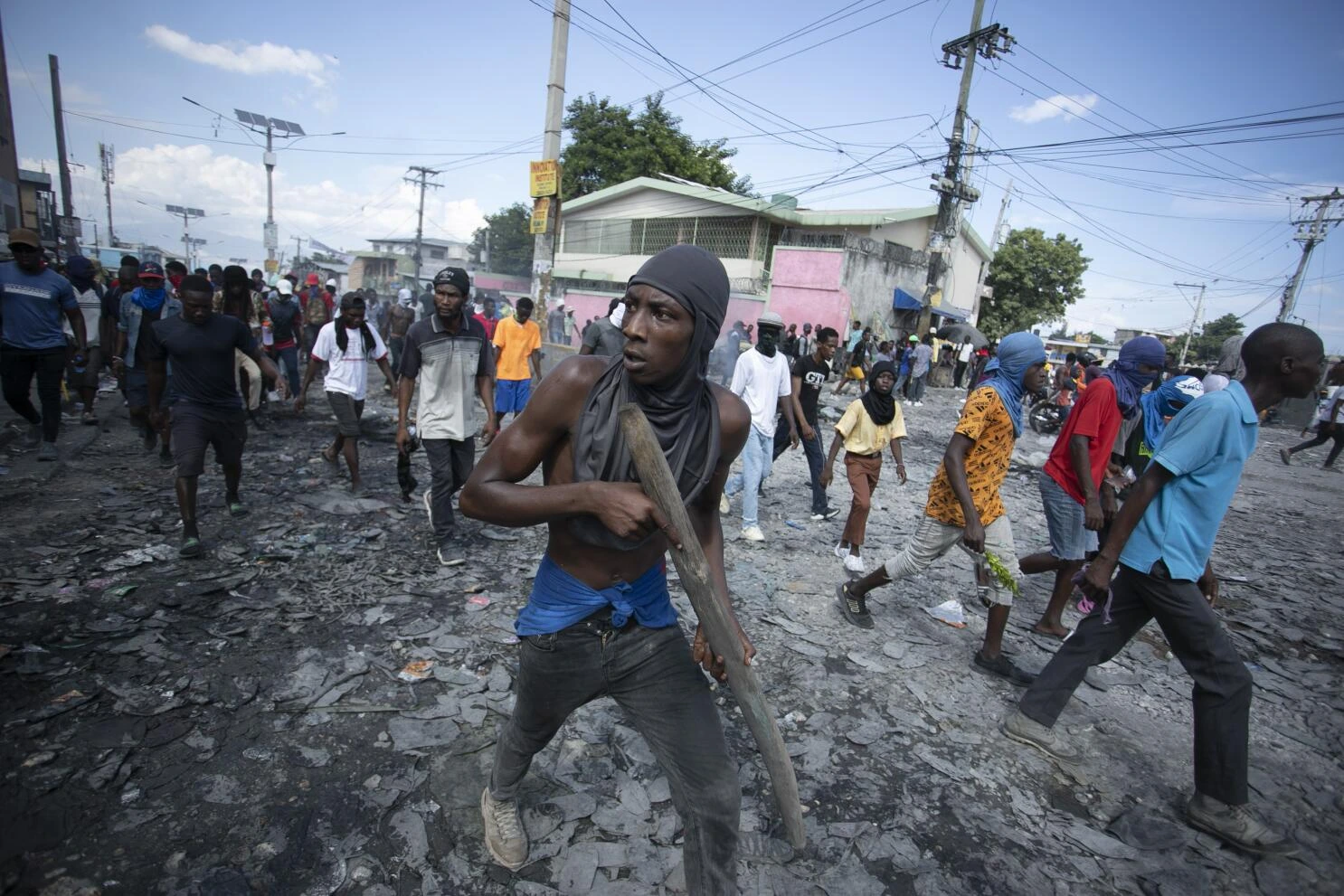
Hospitals now ration generator fuel during blackouts, while businesses face electricity costs averaging $0.33 per kWh-triple the Caribbean average. The plant’s paralysis threatens to deepen Haiti’s economic freefall after a 4.5% GDP contraction in 2024.
Analysts note that each day without power costs manufacturers and the agriculture sectors $2.7 million in lost productivity. EDH called the occupation a “catastrophic act” but lacks funds or political backing to reclaim the site.
This crisis reveals how environmental decay, infrastructure collapse, and gang dominance converge to cripple Haiti’s stability. Without immediate security reforms and $450 million in overdue grid upgrades, foreign investors and local enterprises face irreversible losses.
The Péligre shutdown underscores a harsh reality: in Haiti, energy access has become a weapon, and darkness a daily economic threat.
More: Latin America news in English, every day from The Rio Times.
This article was produced by The Rio Times’ automated newsroom system. How we use AI · Report an error · Editorial responsibility: Matthias Camenzind, Editor-in-Chief