

In a transformative shift, Peru has announced its decision to incorporate nuclear technology into its national energy framework.
Rómulo Mucho, the Minister of Energy and Mines, highlighted the move during the “Building a Sun on Earth: The Nuclear Option versus Renewable Energy Challenges” conference organized by the Peruvian Institute of Nuclear Energy (IPEN).
The minister underscored nuclear technology as the beacon of future energy generation, poised to bolster energy security and electrify remote areas.
Peru’s adoption of nuclear energy is part of a broader trend across Latin America, where nations are grappling with escalating energy demands and environmental concerns.
This narrative reflects a region-wide evaluation of energy strategies, recognizing nuclear power as a stable and clean energy source.
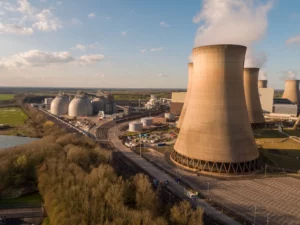
Latin America’s diverse energy landscape showcases countries at varying stages of energy infrastructure development.
Notably, Brazil is progressing with plans to increase its nuclear capacity, aiming for a substantial boost with the completion of the Angra III reactor. Meanwhile, Argentina continues to seek partnerships to enhance its nuclear capabilities.
The narrative in Peru and beyond emphasizes nuclear energy’s role in providing a reliable electricity supply. This is particularly valuable in regions where hydropower is vulnerable to fluctuations in rainfall.
Nuclear Energy’s Renaissance:
The Minister emphasized that modern nuclear technology has undergone a renaissance. He highlighted it as a viable and secure alternative that supports clean energy initiatives.
This approach is evident in Bolivia’s construction of the world’s highest nuclear facility, the Center for Nuclear Research and Technology in El Alto. This project exemplifies the dual benefits of boosting local healthcare and fostering job creation.
Despite the promising prospects of nuclear energy, the path forward is fraught with challenges. These include substantial initial investments, regulatory complexities, and public apprehension.
However, the opportunities for technological advancement, job creation, and enhanced energy security make it a compelling option for Latin America.
As Peru and its neighbors delve deeper into the nuclear energy sector, they align with a global movement. This movement focuses on diversified and sustainable energy solutions.
This strategic pivot aims to mitigate carbon emissions while catalyzing economic growth and environmental stewardship. It underscores nuclear energy’s pivotal role in shaping the future of regional energy policies.