Venezuela’s Oil Is Back In Play—And Washington Wants Control Of The Cash
Key Points
- The U.S. is considering new sanctions relief for Venezuela as soon as this week to speed up legal oil sales and payments.
- A January 9 executive order aims to shield Venezuelan oil revenue held in U.S. Treasury accounts from creditor seizures.
- The plan pairs an oil reopening with crackdowns on evasion networks and a push to mobilize nearly $5 billion in frozen IMF SDR assets.
It sounds like a simple headline: the U.S. may lift more sanctions on Venezuela. The real story is a race between oil, money, and lawsuits.
After Nicolás Maduro was captured on January 3, Washington began treating Venezuela less like a locked door and more like a damaged asset that could be stabilized.
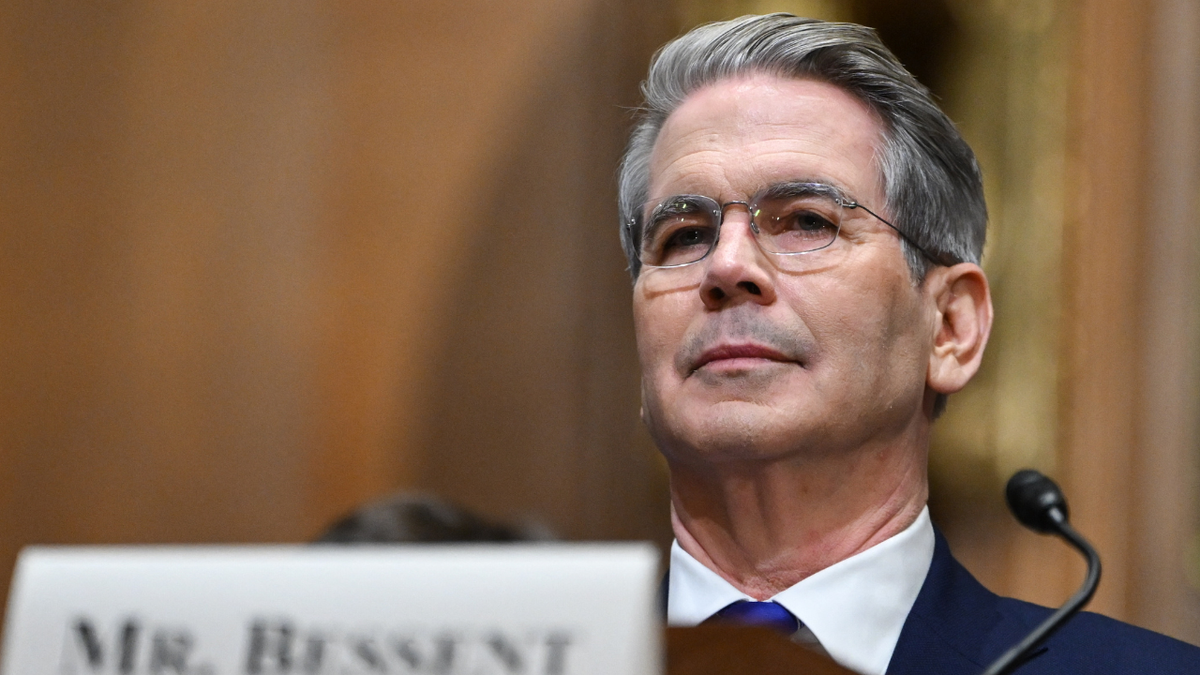
Treasury Secretary Scott Bessent signaled the next step: adjust sanctions so Venezuelan crude can be sold more easily and so the banking system has clearer permission to process payments tied to that oil.
But the administration is not just opening the tap. It is trying to decide who gets to touch the cash first.
Venezuela’s Oil Is Back In Play—And Washington Wants Control Of The Cash
That is why the January 9 executive order matters. It declares a national emergency and seeks to protect revenue from Venezuelan oil sales that sits in U.S. Treasury accounts from being seized by courts or creditors.
This is a direct response to years of claims linked to Venezuela’s nationalizations. One major claimant, ConocoPhillips, is owed about $12 billion, and others have pursued export-related assets in past legal fights.
In parallel, Bessent pointed to a second pot of money: almost $5 billion in Venezuela-linked IMF Special Drawing Rights that are currently frozen.
He said he expects to meet the heads of the IMF and World Bank to discuss how those institutions might re-engage and how funds could support reconstruction.
The oil industry angle is blunt. Trump met oil executives and said U.S. firms could rebuild Venezuela’s decayed energy infrastructure and push output sharply higher.
Bessent suggested smaller private companies could return faster than big majors, some of which remain wary after repeated nationalizations, including Exxon.
The enforcement side stays tough. On December 31, the U.S. sanctioned traders and vessels tied to a sanctions-evasion “shadow fleet,” signaling that illegal routes will still be punished even as licensed flows expand.
Related coverage: Brazil’s Morning Call | The Nobel Prize, Machado, Trump, And Who Gets To Lead Venezu This is part of The Rio Times’ daily coverage of Venezuela affairs and Latin American financial news.
This article was produced by The Rio Times’ automated newsroom system. How we use AI · Report an error · Editorial responsibility: Matthias Camenzind, Editor-in-Chief
Read More from The Rio Times