Brazil Central Bank Buys Dollars in Futures First Time in 10 Years
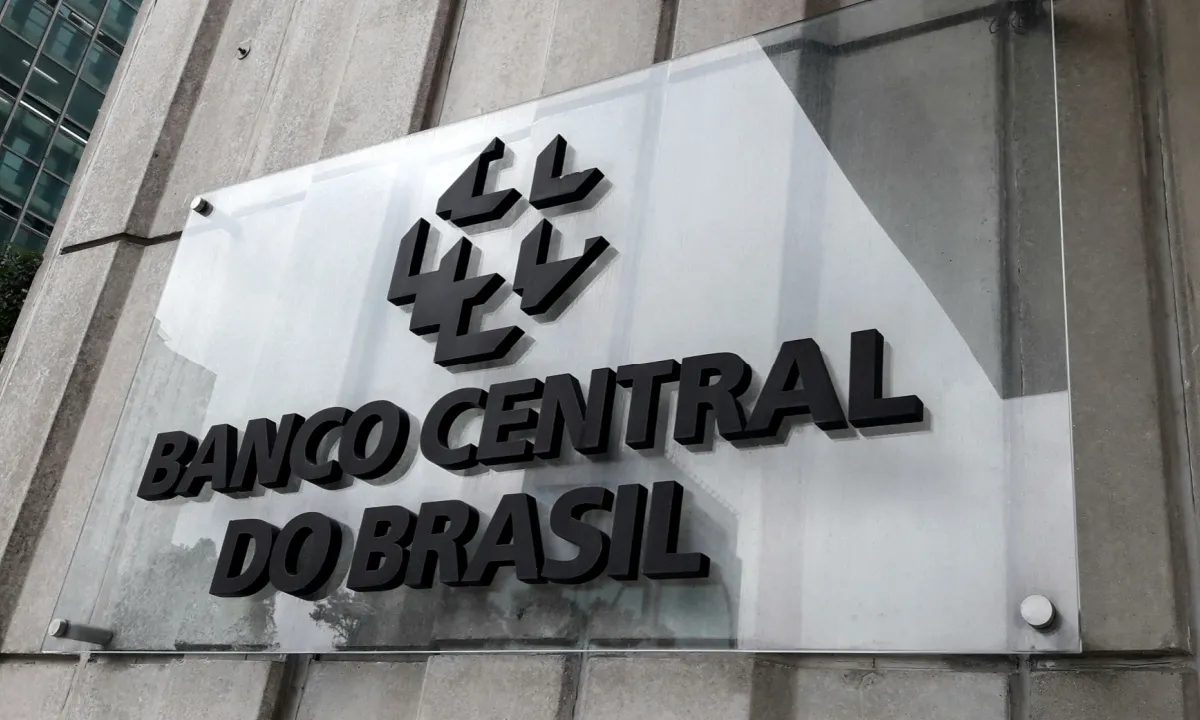
The Banco Central do Brasil bought $500 million in dollar futures on May 6, marking its first reverse-swap auction since November 2016 and signaling a turn in FX policy as the real surged 11% year-to-date and emerged as the best-performing major currency of 2026.
Through the operation the BCB took the buy side of dollar contracts, paying the FX variation while receiving the local interest rate, which functionally absorbs excess dollar supply and reduces the existing $95.75 billion stock of traditional swaps, with the BCB accepting only one of the bids submitted (10,000 contracts at $500 million).
Market participants at Warren Rena, XP and Crédit Agricole flagged the auction as a precedent rather than a major intervention by volume, with further interventions likely in coming sessions if the real continues to outperform.
Key Points
— BCB bought $500M in dollar futures on May 6, first reverse swap since November 2016.
— Real has gained 11% YTD, the best-performing major currency in 2026.
— Existing BCB swap stock of $95.75B is targeted for gradual reduction.
— Analysts (Warren Rena, XP, Crédit Agricole) expect further interventions to follow.
— Last comparable cycle was led by Ilan Goldfajn in 2016, halted after Trump’s first election.
A Turn in FX Policy
The Rio Times, the Latin American financial news outlet, reports that the BCB reverse-swap auction on May 6 was the first such operation since November 2016, when then-governor Ilan Goldfajn ran a similar series before pausing after Donald Trump’s first election victory. The 10,000-contract operation worth $500 million is small relative to the overall FX market, but the precedent value is what analysts are emphasizing. The auction took place against a backdrop where the real has appreciated approximately 11% year-to-date, becoming the best-performing major currency in 2026 alongside high domestic interest rates, the Copom’s hawkish reaction to oil-driven inflation, foreign capital reallocation away from the United States, and recent successful Treasury issuances abroad.
In a reverse swap, the BCB takes the buy side of dollar contracts and the sell side of reais, paying the FX variation while receiving the local interest rate. The mechanism functionally counterbalances the BCB’s existing $95.75 billion swap stock, which has already declined by more than $7 billion since Nilton David took the BCB’s monetary-policy directorate, with operations including the so-called “casadão” trade (selling spot dollars from international reserves while simultaneously buying via reverse swap). The May 6 auction is interpreted as the formal opening of a more active phase, with analysts now forecasting an extension into a structured program of stock reduction.
What Analysts Said
Daniel Manso, head of futures at Warren Rena, said he believes the BCB will be more active than it has been to date, while Daniel Balaban of XP New York noted that although the volume was small, the signaling matters and a structured repurchase program would make sense. Olga Yangol, head of emerging markets economic research and strategy at Crédit Agricole, called the move a “good strategy from the BCB perspective,” with the intervention effectively absorbing excess dollar supply. The market interpretation is broadly aligned that this is not a one-off but a calibrated opening, with the next session-by-session prints expected to confirm whether a structured program is operational.
Why Now
The strong real reflects four converging dynamics: the Selic at 14.75% (highest since 2006) drawing carry-trade flows, Copom’s hawkish posture on oil-driven inflation, reallocation of foreign capital away from US assets following volatility, and recent Brazilian Treasury issuances abroad supporting the real-strength narrative. The dólar à vista closed at R$4.9207 on May 6 with the spot fixing trending below R$5.00 for an extended period, while the BCB’s reserve position has supported parallel dollar-strengthening operations. The Iran war’s oil-price effect has amplified Brazilian export receipts at the same time as risk appetite returns to emerging markets, with the Ibovespa near record highs and foreign portfolio inflows recovering from 2025’s $33.3 billion outflow.
| Indicator | Value |
|---|---|
| BCB futures purchase (May 6) | $500 million |
| Last comparable operation | November 2016 (Goldfajn) |
| Contracts placed | 10,000 (1 accepted bid) |
| Real YTD performance | +11% (best globally) |
| Selic rate | 14.75% (highest since 2006) |
| BCB swap stock | $95.75B |
| Stock reduction since Nilton David | over $7 billion |
| Spot dollar (May 6 close) | R$4.9207 |
| Brazil April FX flow | +$9.291B |
| 2025 dollar outflow (full year) | $33.3B (2nd-largest record) |
Connected Coverage
For more on the macro forces shaping Brazilian financial markets, see Brazil’s all-time export record in April and our analysis of Argentina’s country-risk drop near 500 on the Fitch effect.
What Happens Next
- Coming sessions: Market watching for repeat reverse-swap auctions to confirm structured programme.
- Q2 2026: Continued real strength expected if oil prices stay high and Selic remains restrictive.
- Mid-2026: If sustained, BCB swap stock could fall toward $80 billion from current $95.75 billion.
Frequently Asked Questions
What did Brazil’s central bank do?
The Banco Central do Brasil bought $500 million in dollar futures on May 6 through a reverse-swap auction, the first such operation since November 2016 when then-governor Ilan Goldfajn ran a similar program. The auction placed 10,000 contracts equivalent to $500 million with only one bid accepted, taking the BCB to the buy-dollar / sell-reais side, paying the FX variation while receiving the local interest rate. The action helps reduce the existing $95.75 billion swap stock at a moment when the real has gained 11% year-to-date, the best performance among major currencies.
Why is the real so strong?
Four forces converged: the Selic at 14.75% (highest since 2006) is drawing carry-trade flows from yield-seeking investors, the Copom’s hawkish posture on Iran-war oil-driven inflation has reinforced rate differentials versus other emerging markets, foreign capital is reallocating away from US assets toward emerging-market sovereigns, and the Brazilian Treasury executed successful international issuances supporting credibility. The Ibovespa is near record highs at 184,718 points and Brazil’s April FX flow showed +$9.291 billion in net inflows. The figure reverses 2025’s $33.3 billion outflow, which was the second-largest in the historical series.
What does it mean for the swap stock?
The BCB’s existing swap stock stands at $95.75 billion, having declined by more than $7 billion since Nilton David took the monetary-policy directorate, with operations including the “casadão” trade selling spot dollars from international reserves while simultaneously buying via reverse swap. The May 6 auction marks the first standalone reverse-swap operation since 2016, and if the BCB extends it into a structured program, the swap stock could fall toward $80 billion by mid-2026. Analysts at Warren Rena, XP and Crédit Agricole expect that structured pattern as the next stage of FX policy.
What did analysts say?
Daniel Manso, head of futures at Warren Rena, said the BCB will be more active than it has been, while Daniel Balaban of XP New York noted the $500 million was small but the signaling matters, with a structured repurchase program likely. Olga Yangol of Crédit Agricole called it a good strategy effectively absorbing excess dollar supply, and the 2016 precedent under Goldfajn ran for several months until interrupted by Trump’s first election. Analysts expect a similar multi-month cycle this time, calibrated to real-strength signals rather than a single-shot operation.
Updated: 2026-05-08T18:30:00Z by Rio Times Editorial Desk
Read More from The Rio Times