Joe Biden and Donald Trump each clinched significant victories on Super Tuesday, paving their way to their respective party nominations.
Biden, without serious competition, and Trump, with firm Republican base support, seemingly conclude the nomination race, although official confirmation may take weeks.
Their swift wins suggest a replay of the 2020 electoral face-off, posing a challenging decision for voters between two candidates with widespread unpopularity.
With Nikki Haley’s exit, Trump‘s path is clear, shifting focus to where Haley’s moderate Republican and anti-Trump supporters will lean.
Biden, seizing the moment, welcomes Haley’s base, indicating Trump’s dismissive stance towards them.
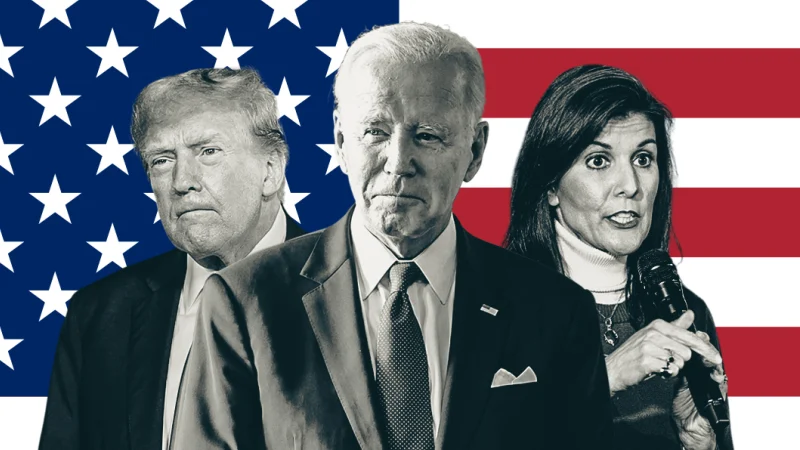
Biden, too, faces a streamlined Democratic field as Dean Phillips drops out.
His imminent State of the Union address holds the potential to sway undecided voters, which is key to solidifying public opinion.
Despite criticism, Super Tuesday saw Trump winning 14 states and Biden sweeping all 15 Democratic contests.
Their sights are now set on the November elections, underscoring their early strategic moves.
Trump, omitting Haley from his remarks, critiqued Biden on several fronts, hinting at campaign focus areas.
Despite his stronghold among Republicans, his appeal to moderates and independents remains questionable.
In addition, polls suggest a general desire for fresh leadership, underscoring the lack of enthusiasm for both frontrunners.
Unforeseen factors, from legal entanglements to global affairs, may sway the election, adding unpredictability to the road to November.
This article was produced by The Rio Times’ automated AI newsroom. Editorial responsibility: Matthias Camenzind, Publisher and Editor-in-Chief. The Rio Times also runs Ask Rio Times, which answers from 100,000+ of our own articles, the daily Latin America Power Map, and prediction-market odds on elections and markets.. How we use AI · Report an error