IBOV 179,722.48 ▲ 1.30% IPSA 11,315.26 ▼ 1.14% IPC MEX 64,514.25 ▼ 1.40% MERVAL 3,049,455 — 0.00% COLCAP 2,470.26 ▲ 1.86% BVL PERÚ 59,450.29 ▲ 0.11% USD/BRL5.15▼ 0.06% USD/MXN17.00▲ 0.01% USD/CLP934.98▼ 0.25% USD/COP3,173▼ 1.10% USD/PEN3.36▼ 0.03% USD/ARS1,513▲ 0.25% USD/UYU40.24▲ 0.68% USD/PYG5,873▲ 0.47% USD/BOB12.08▲ 3.98% USD/DOP58.56▲ 0.51% USD/CRC446.47▲ 1.09% USD/GTQ7.62▲ 1.63% USD/HNL26.84▲ 1.11% USD/NIO36.62▲ 0.20% USD/VES799.17▲ 0.23% USD/PAB1.00— 0.00% USD/BZD2.00— 0.00% USD/JMD 157.28 — 0.00% USD/TTD6.69▼ 0.06% EUR/BRL5.97▼ 0.70% BRENT 88.88 ▼ 0.03% WTI 83.11 ▼ 0.11% IRON ORE 161.91 — — COPPER 6.61 ▲ 0.03% GOLD 4,461 ▲ 1.78% SILVER 65.59 ▲ 1.26% SOY 1,184 ▲ 3.20% CORN 480.50 ▲ 10.02% WHEAT 655.00 ▲ 3.93% COFFEE 317.25 ▼ 5.51% SUGAR 16.43 ▼ 1.79% ORANGE JUICE 138.55 ▼ 0.47% COTTON 85.03 ▲ 2.33% COCOA 5,719 ▲ 3.18% BEEF 223.60 ▼ 3.93% CATTLE 339.10 ▼ 3.16% LITHIUM 75.20 ▲ 1.47% PETR4 41.64 ▼ 0.05% VALE3 72.97 ▲ 0.83% ITUB4 38.60 ▼ 1.03% BBDC4 16.85 ▲ 0.36% ABEV3 14.89 ▼ 0.80% BBAS3 19.37 ▲ 0.47% B3SA3 14.26 ▼ 0.21% WEGE3 47.59 ▲ 0.49% PRIO3 59.14 ▼ 0.19% SUZB3 41.33 ▲ 2.35% RENT3 34.68 ▼ 0.09% AZZA3 15.89 ▼ 2.63% CSAN3 3.22 ▼ 1.83% RAIZ4 0.25 — 0.00% PCAR3 2.75 ▼ 0.36% GMAT3 3.65 ▼ 1.08% PSSA3 48.13 ▼ 0.54% CVCB3 1.33 ▼ 2.92% POSI3 3.36 ▲ 2.44% SLCE3 13.34 ▲ 0.30% NATU3 8.14 ▼ 0.73% IBOV 179,722.48 ▲ 1.30% IPSA 11,315.26 ▼ 1.14% IPC MEX 64,514.25 ▼ 1.40% MERVAL 3,049,455 — 0.00% COLCAP 2,470.26 ▲ 1.86% BVL PERÚ 59,450.29 ▲ 0.11% USD/BRL 5.16 ▲ 0.01% USD/MXN 17.06 ▼ 0.24% USD/CLP 913.98 ▲ 0.04% USD/COP 3,140 ▲ 0.03% USD/PEN 3.36 ▼ 0.66% USD/ARS 1,493 ▲ 0.10% USD/UYU 40.27 ▲ 1.24% USD/PYG 5,939 ▲ 1.68% USD/BOB 11.64 ▼ 0.76% USD/DOP 58.34 ▲ 1.25% USD/CRC 445.92 ▲ 0.89% USD/GTQ 7.62 ▲ 2.21% USD/HNL 26.79 ▲ 1.57% USD/NIO 36.62 ▲ 0.69% USD/VES 762.44 ▼ 0.13% USD/PAB 1.00 — 0.00% USD/BZD 2.00 — 0.00% USD/JMD 157.28 — 0.00% USD/TTD 6.70 ▲ 0.61% EUR/BRL 5.95 ▲ 1.01% BRENT 88.88 ▼ 0.03% WTI 83.11 ▼ 0.11% IRON ORE 161.91 — — COPPER 6.61 ▲ 0.03% GOLD 4,461 ▲ 1.78% SILVER 65.59 ▲ 1.26% SOY 1,184 ▲ 3.20% CORN 480.50 ▲ 10.02% WHEAT 655.00 ▲ 3.93% COFFEE 317.25 ▼ 5.51% SUGAR 16.43 ▼ 1.79% ORANGE JUICE 138.55 ▼ 0.47% COTTON 85.03 ▲ 2.33% COCOA 5,719 ▲ 3.18% BEEF 223.60 ▼ 3.93% CATTLE 339.10 ▼ 3.16% LITHIUM 75.20 ▲ 1.47% PETR4 41.64 ▼ 0.05% VALE3 72.97 ▲ 0.83% ITUB4 38.60 ▼ 1.03% BBDC4 16.85 ▲ 0.36% ABEV3 14.89 ▼ 0.80% BBAS3 19.37 ▲ 0.47% B3SA3 14.26 ▼ 0.21% WEGE3 47.59 ▲ 0.49% PRIO3 59.14 ▼ 0.19% SUZB3 41.33 ▲ 2.35% RENT3 34.68 ▼ 0.09% AZZA3 15.89 ▼ 2.63% CSAN3 3.22 ▼ 1.83% RAIZ4 0.25 — 0.00% PCAR3 2.75 ▼ 0.36% GMAT3 3.65 ▼ 1.08% PSSA3 48.13 ▼ 0.54% CVCB3 1.33 ▼ 2.92% POSI3 3.36 ▲ 2.44% SLCE3 13.34 ▲ 0.30% NATU3 8.14 ▼ 0.73%
since 2009
Wednesday, September 2, 2026

Crypto China

Doubts Over Chinese Investments Grow

By · January 22, 2024 · 2 min read

Daily Brief

The morning intel from across Latin America. Free.

By subscribing you agree to our privacy policy. We never share your email.

Investors now see Chinese assets, including the yuan and government bonds, as likely to perform poorly.

This year, changes in the Federal Reserve’s stance could favor emerging markets, except for China. Recent data show China’s economy, the world’s second-largest, continues to slow.

This scenario prompts the People’s Bank of China (PBOC) to consider rate cuts. Yet, investors think the PBOC has less room to lower rates compared to other major economies.

Ken Cheung, a chief strategist at Mizuho Bank in Hong Kong, believes the yuan will face short-term pressure. He expects bonds to get some support from the PBOC’s easing policies.

However, he also notes the limited scope for rate reductions due to the yuan’s depreciation pressure and Chinese banks’ narrow interest margins.
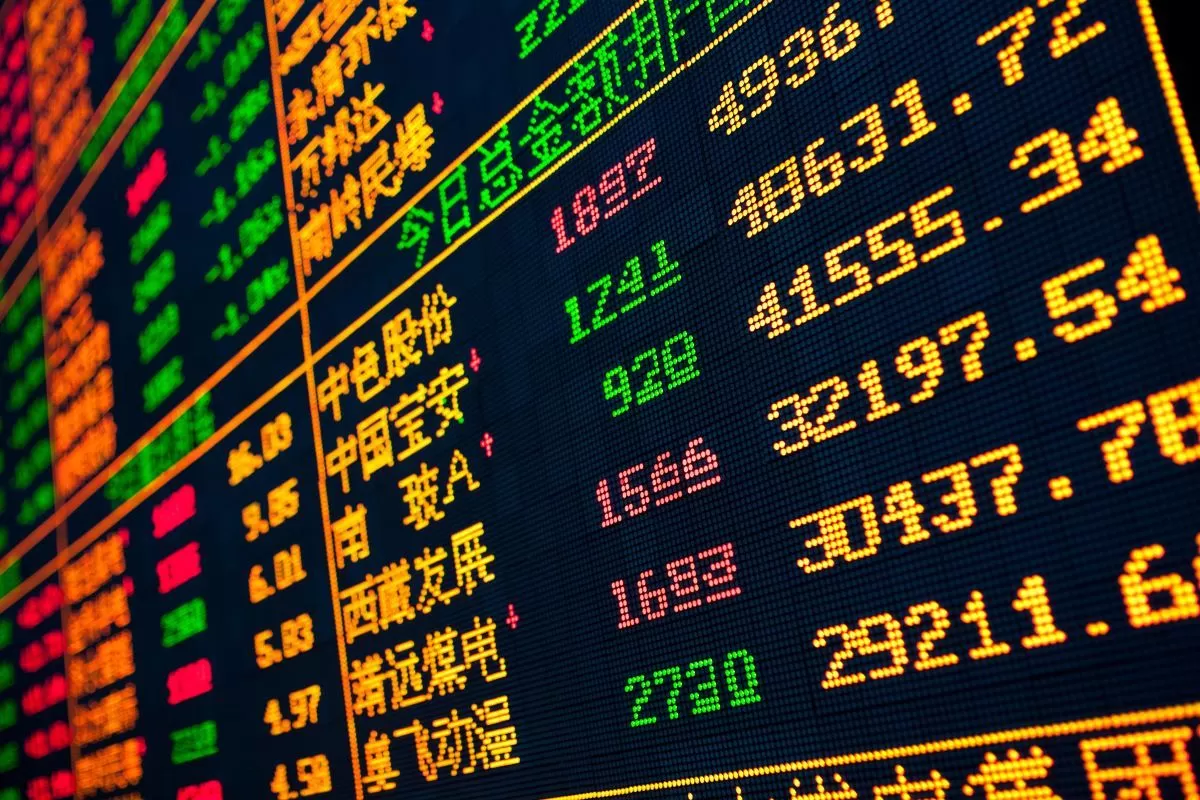
Doubts Over Chinese Invaestments Grow. (Photo Internet reproduction)
One-stop reference
Company Intelligence
Every listed company in Latin America — financials, ownership and structure for 1,450+ companies across 26 exchanges, in one place.
Browse the directory →
RT
Ask Rio Times
17 years of Latin America reporting, on demand.
Open the full Ask Rio Times →

Emerging market currencies are becoming less correlated with the yuan, hitting a three-year low. As China’s appeal wanes, traders see reasons to favor other emerging markets.

These markets could gain more from the Federal Reserve’s expected rate cuts. Also, the potential inclusion of South Korea and India in major global bond indices could boost their assets further.

Last week disappointed investors, with the PBOC not changing its one-year reference rate.

Prime Minister Li Qiang’s comments on economic expansion without massive stimulus have also dampened hopes for more policy support.

The offshore yuan has weakened by more than 1% this year, after a nearly 3% drop in 2023.

Rajeev De Mello from Gama Asset Management prefers local currency bonds and currencies from countries like Brazil and Mexico, where interest rates have preemptively risen and inflation is on the decline.

JPMorgan Asset Management sees the yuan’s basket as likely to weaken in the first half of the year.

They are searching for relative value opportunities, according to Julio Callegari, their Asia fixed income director.

Economists predict the yuan will recover some losses but still underperform against its Asian peers. Bloomberg surveys anticipate a 3.1% drop in the offshore renminbi against the dollar by year-end.

Simon Harvey from Monex Europe sees the yuan as “quite uninspiring” in the current strong dollar environment.

Chinese government bonds have done well so far, with yields dropping. Yet markets are now looking for countries with higher yields, set to benefit from a shift toward monetary easing.

China’s 10-year yield stands at about 2.5%, low compared to India’s 7%, Mexico’s 9%, and Brazil’s 10%.

Edmund Goh from ABRDN Plc finds higher yields in India and Indonesia more attractive, viewing Korean bonds as appealing proxies for U.S. Treasury bonds.

South Korea’s 10-year yields are highly sensitive to changes in U.S. Treasury bonds, suggesting South Korean bonds could outperform as the Federal Reserve begins easing.

This article was produced by The Rio Times’ automated newsroom system. How we use AI · Report an error

Read More from The Rio Times

The Rio Times · Power Map
See who really holds power in Latin America
Click to open the Power Map

Rotate for Best Experience

This report is optimized for landscape viewing. Rotate your phone for the full experience.