On March 5, 2024, Cuba reduced its street lighting by 75% due to a fuel shortage affecting its energy supply, aiming to prevent power cuts.
This situation has been linked to sanctions from the past U.S. administration under Donald Trump.
The Cuban leadership, under President Miguel Díaz-Canel, points to these sanctions as a key factor in the current energy crisis.
The Communist Party reported in February that Alejandro Gil, the former Economy Minister, left his position amidst rising fuel costs.
To prevent further issues, Vicente de la O Levy, the Energy Minister, offered tips on saving energy.
He suggests using natural light, reducing the number of times the fridge is opened, switching off fans and TVs when not needed, and limiting air conditioning use to after 10 p.m.
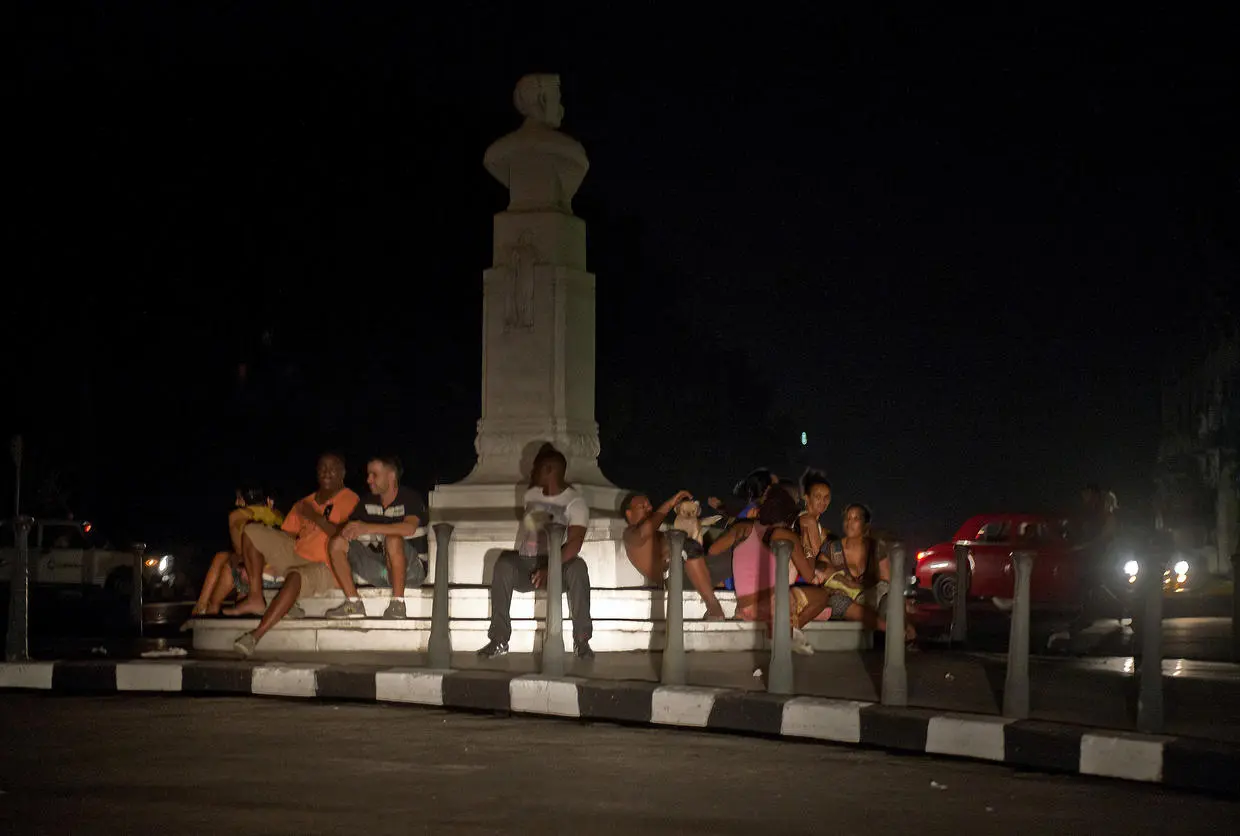
News sources note that Cuba experiences frequent blackouts, some lasting 12 hours. These outages disrupt daily life and cause food to spoil, a resident noted.
This move to cut lighting reflects the broader challenges Cuba faces in managing its energy resources and the impact of international politics on its domestic affairs.
Cuba’s energy woes are not new. For years, the island has grappled with economic and energy challenges.
These issues stem from both internal policies and external pressures, including sanctions.
The recent steps underscore the severe impact of fuel shortages on everyday life
More: Cuba news in English, every day from The Rio Times.
This article was produced by The Rio Times’ automated AI newsroom. Editorial responsibility: Matthias Camenzind, Publisher and Editor-in-Chief. The Rio Times also runs Ask Rio Times, which answers from 100,000+ of our own articles, the daily Latin America Power Map, and prediction-market odds on elections and markets.. How we use AI · Report an error
Cuba and the United States
- What Is Going On Between Cuba and the United States?
- What Is Going On Between Cuba and the United States?
- Can Americans Still Travel to Cuba in 2026?
- Who Runs Cuba in 2026? Raúl Castro and the US Murder Charge