The growth is spurred by soy’s profitability, especially with the expansion of farming into the Cerrado and Amazon regions, showcasing Brazil’s strategic agricultural expansion.
Production is expected to jump to 159 million metric tons, driven by strong demand, high prices, and favorable exchange rates.
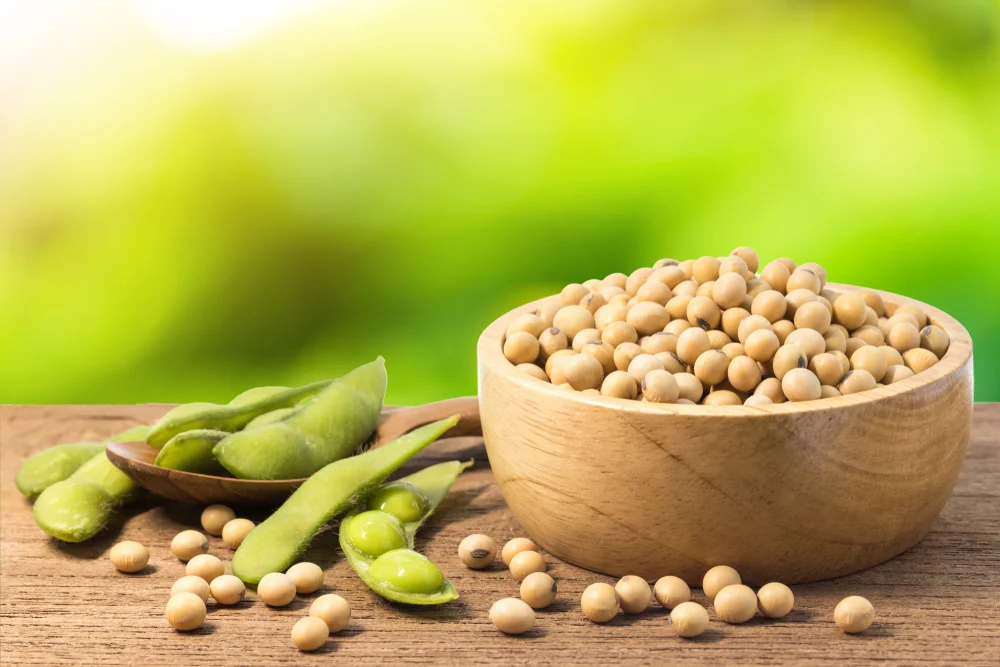
Exports could reach 95 million metric tons this season, with a forecast of 98.1 million metric tons next season.
The robust demand for Brazilian soy products, especially oil, cements its status as a global agricultural powerhouse.
In addition, research, land expansion, and policy incentives support Brazil’s evolution into a leading agricultural exporter.
The nation’s focus on the agricultural sector and global food and feed demand solidifies its role as a major soybean supplier.
However, USDA analysis emphasizes Brazil’s agricultural success, notably in soy production, impacting global trade dynamics.
Looking ahead, Brazil aims to continue expanding trade, diversifying markets, and addressing challenges like costs and infrastructure.
This strategy not only ensures Brazil’s growth in the agricultural sector but also contributes to sustainable global food systems.
More: Brazil news in English, every day from The Rio Times.
This article was produced by The Rio Times’ automated AI newsroom. Editorial responsibility: Matthias Camenzind, Publisher and Editor-in-Chief. The Rio Times also runs Ask Rio Times, which answers from 100,000+ of our own articles, the daily Latin America Power Map, and prediction-market odds on elections and markets.. How we use AI · Report an error
Brazil runoff, Sunday, October 25: Brazil runoff: date, poll closing times and when results start. Latest: Brazil runoff polls, Flávio 51%, Lula 49%.