Bananas and shrimp, two pillars of Ecuador’s economy, get stuck in the global logistics crisis
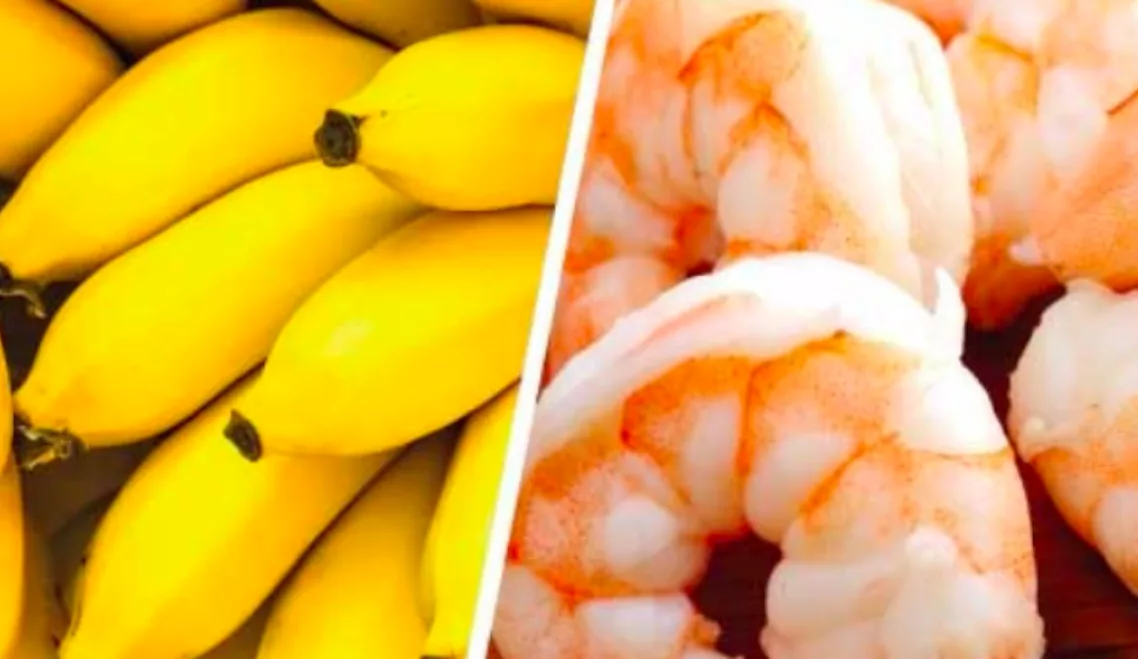
RIO DE JANEIRO, BRAZIL – Ecuador lives from selling bananas and shrimp to the world, but a critical link in the production chain has been loosened with the global logistics crisis. The lack of containers interferes in the production and export process of the two economic pillars of the country, which move more than US$6 billion a year and generate 770,000 direct and indirect jobs.
International shipping bottlenecks have delayed the arrival of necessary raw materials such as plastic, cardboard, and fertilizers, increased costs, reduced profits, and slowed trade flows. But no one yet dares to give an approximate dollar figure for the damage.
“If we continue like this, next year is going to be tremendously complicated,” predicts Alfredo Hoyos, former president of the Ecuadorian Plastics Association. “Only a miracle could bring down the prices of raw materials and normalize the entire chain,” diagnoses the representative of one of the key unions for the country’s other productive branches.
Hoyos recalls that plastic is used in everything exported: bananas, shrimp, cocoa, flowers, coffee, and fish. As the price of polyethylene has skyrocketed, everything else has become more expensive. As a result, he points out, Ecuadorian products are less competitive on the international market.
Read also: Check out our coverage on Ecuador
Bananas pass on the logistical brake to their annual export figures, which have fallen in volume and value. From January to September – the date of the latest Central Bank of Ecuador’s figures – sales fell by 5.5% in tons and 9.1% in dollars compared to the same period last year. In nine months, 5,253 tons of fruit have left the ports, and US$2.598 billion have entered the economy from the banana sector, which generates 500,000 jobs.
On the other hand, shrimp, the largest export product and source of employment for 270,000 people, has not yet had negative figures. Despite also being a victim of the slowdown in the world trade flow, it has placed 19.9% more in volume and 32.3% more in dollars because it has had a good year in terms of production and because it is an item with a higher price than absorbs the price increase in logistics.
A container leaving Shanghai and docking in Guayaquil was chartered for US$1,200 a year ago. Today, it is US$18,000. And, according to what the director of the plastics guild predicts, this price escalation will extend to 2022 until at least the third quarter.
The same radiography conditions the decisions of Ecuador’s cardboard companies. “2022 will be a very complicated year for exporters due to a possible shortage of cardboard boxes,” warns Andrés Jiménez, general manager of Papelera Nacional.
A scenario aggravated by “significant increases in the cost of cardboard boxes and difficulties in finding space in shipping companies, in addition to high transportation costs”. This year, the country has paid US$2.1 billion more (47% more) for the import of 26% more raw materials.
Paper was paid US$500 per ton a year and a half ago, according to Jiménez, while now it goes for more than US$1,200 for the same amount of imported material. “The worst thing is that no matter how much we are willing to pay, we can’t get the necessary volume or the ships to bring it in,” the businessman laments.
Today there are 55,000 metric tons less paper to make boxes, inventories are at a minimum, and “this complicates the production of cardboard at times when more boxes are required”. December is the high season for bananas and is followed by flowers for Valentine’s Day, which is one of Ecuador’s top five export items. “Not to mention shrimp exports, which have also grown in volume compared to previous years,” concludes the manager of Papelera Nacional.
Without plastic, without cardboard, and without fertilizers, or paying much more than usual for these raw materials, Ecuador’s production chains must give up part of their profitability to not lose competitiveness in the market.
The plastics sector, which employs 120,000 people, has absorbed up to 25% of the increase in the price of polyethylene used to manufacture covers and wrappings for all kinds of products. But Hoyos speaks of an 80% increase in the variable cost of imported material. “Who absorbs the price increase? Everyone and that leads to the dismissal of employees,” the business leader concludes.
More: Brazil news in English, every day from The Rio Times.
Editorial responsibility: Matthias Camenzind, Editor-in-Chief · Editorial standards · Report an error