Grupo Elektra’s $1.7 Billion Tax Debt Payments Advance
Mexico · Companies
Key Facts
—Total agreed debt. 32.13 billion pesos (US$1.7 billion) with Mexico’s tax authority, the SAT.
—Payment progress. About 13.98 billion pesos (US$756 million) paid as of mid-2026, covering 43.5% of the total.
—Payment structure. A 19-payment plan with one large initial payment and 18 installments.
—Origin of the debt. Unpaid income taxes, fines, and surcharges dating back to at least 2012.
—Final deadline. Full settlement is scheduled for July 2027.
Grupo Elektra, the Mexican retail and banking giant controlled by Ricardo Salinas, is steadily paying down a 32.13 billion peso (US$1.7 billion) federal tax debt through a court-mandated schedule, with full clearance not expected until July 2027.
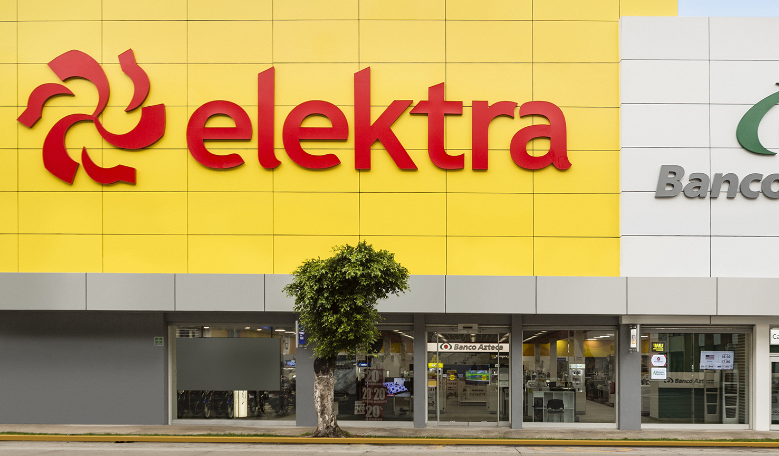
How the Payment Plan Works
The company began its 19-payment calendar in January 2026 after Mexico’s Supreme Court unanimously rejected its final constitutional appeals. The plan includes one large upfront payment followed by 18 installments.
Grupo Elektra made an initial payment of approximately 6.5 billion pesos, followed by monthly installments of about 1.2 billion pesos.
The payment schedule was approved under Mexico’s Federal Fiscal Code, which allows for structured settlements of large tax liabilities. This legal framework gives companies a clear path to resolve disputes while ensuring the government receives what it is owed over a defined period.
For foreign investors unfamiliar with the term, an amparo is a unique Mexican legal instrument that allows individuals and companies to challenge government actions on constitutional grounds. Grupo Elektra’s repeated use of this mechanism kept the debt in limbo for over a decade until the Supreme Court cleared the way for collection.
A Long Battle with Mexico’s SAT
The dispute dates back over a decade. Mexico’s tax authority, the SAT, claimed Grupo Elektra failed to pay Income Tax (ISR) on corporate profits, adding fines and surcharges over the years.
The company filed multiple amparos, a type of constitutional appeal, to block collection. However, the Supreme Court cleared the way for payment in late 2024, adjusting the final figure to 32.13 billion pesos.
The core issue centered on how the SAT calculated the tax owed on Grupo Elektra’s earnings. The company argued the calculation was flawed, but the Supreme Court ultimately sided unanimously with the tax authority, leaving no further room for appeal.
This debt is separate from other older obligations tied to the Salinas business empire. For context, a subsidiary called Nueva Elektra del Milenio faced a smaller 67 million peso claim from 2012, while the telecom firm Totalplay had a 645 million peso debt from 2017, highlighting a pattern of complex tax disputes across the group.
Financial Impact on Grupo Elektra
The payments represent a significant financial drag. The initial roughly 6.5 billion peso outlay alone was described in local media as a financial blow that strained company liquidity.
As a result, the tax obligation caused an 11% drag on the firm’s total 2025 revenues of 58.859 billion pesos. The company stated the agreement concludes years of tax disputes.
The company funded the first payment directly from its cash reserves, a move that signals both the seriousness of the obligation and the firm’s ability to mobilize large sums quickly. For a business that operates department stores and a bank under the Banco Azteca brand, maintaining liquidity during such a payout is a critical test of financial health.
Despite the strain, Grupo Elektra has publicly framed the agreement as a positive step, declaring it brings an end to years of uncertainty. The company confirmed it expects no outstanding fiscal obligations once the final installment is paid in mid-2027. However, our reporting has shown that the first payment directly from its cash reserves signals both the seriousness of the obligation and the firm’s ability to mobilize large sums quickly—for a business that operates department stores and a bank under the Banco Azteca brand, maintaining liquidity during such a payout is a critical test of financial health.
What Comes Next for the Company
By mid-2026, Grupo Elektra had paid roughly 13.98 billion pesos (US$756 million). A remaining balance of about 18.15 billion pesos (US$981 million) is left.
The company will continue paying installments under the court-approved schedule. President Claudia Sheinbaum confirmed the schedule, noting the debt is far larger than the 10 billion pesos TV Azteca recently settled.
President Sheinbaum’s public confirmation of the payment plan underscores the government’s close watch on high-profile tax cases. Her comparison to TV Azteca, another Salinas-controlled company that filed for bankruptcy protection in 2026 due to a US$600 million debt, highlights that Elektra’s obligation is over three times larger and remains a work in progress.
For the remaining 17 installments, Grupo Elektra must stay on track with the court-approved calendar. Any deviation could trigger renewed legal pressure from the SAT, though the company’s progress so far suggests a commitment to meeting the July 2027 deadline.
What It Means for Expats and Investors
For foreign investors and expats living in Mexico, the Grupo Elektra case offers a clear lesson in how the country’s tax enforcement has evolved. The SAT has become increasingly assertive in pursuing large corporate taxpayers, signaling a tougher regulatory environment.
The resolution also removes a layer of uncertainty that had hung over Grupo Elektra’s stock and its banking arm, Banco Azteca, which many expats use for everyday financial services. A clear end date for the tax dispute allows the market to refocus on the company’s core retail and financial operations.
While the payments are a drag on short-term earnings, the structured nature of the plan means the financial hit is predictable. Investors can model the scheduled installment outflows through mid-2027 without fear of sudden, larger government claims disrupting the business.
More broadly, the case reflects a maturing legal system where even the country’s wealthiest business figures, like Ricardo Salinas, are not immune to tax collection. This trend toward greater accountability may boost confidence among international investors concerned about rule of law in Mexico.
Background: our pix boletos and how payments actually work in brazil a guide for expats guide.
More: Mexico news in English, every day from The Rio Times.
Frequently Asked Questions
Has Grupo Elektra fully paid its tax debt?
No. As of mid-2026, it has paid about 43.5% of the total, roughly 13.98 billion pesos (US$756 million). Full payment is scheduled for July 2027, with 17 monthly installments still remaining.
Why did Grupo Elektra owe so much in taxes?
The debt stems from unpaid corporate income taxes, fines, and surcharges dating back to at least 2012. Mexico’s tax authority, the SAT, pursued the case through the courts for over a decade until the Supreme Court ordered payment.
How much is the monthly payment?
After an initial 10.4 billion peso (US$562 million) payment, the company pays roughly 1.2 billion pesos (US$65 million) per month for 18 months. The schedule runs through July 2027 under a court-approved calendar.
Connected Coverage
Taiwan Mexico Exports Surge 233% on AI Boom
Sheinbaum River Cleanup: US$1.15 Billion for Mexico’s 3 Most Polluted Watersheds
This article was produced by The Rio Times’ automated newsroom system. How we use AI · Report an error · Editorial responsibility: Matthias Camenzind, Editor-in-Chief
In depth
LatAm Markets: Live Signals → — real-time movers, turnover leaders and FX across Latin America.